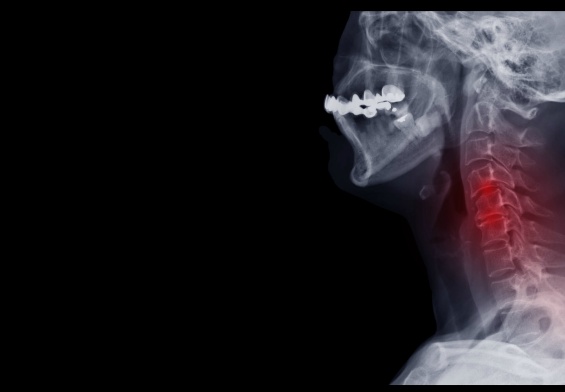
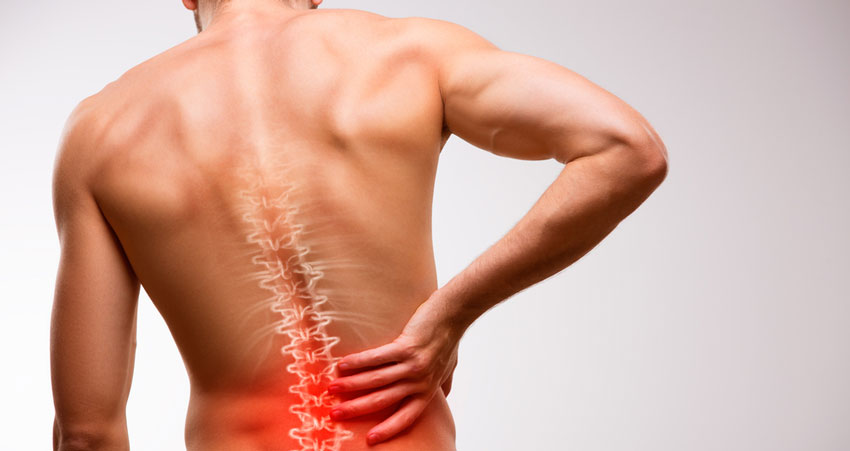
Sitting through a full workday used to be routine. Now it means constant adjusting in the chair. A leg goes numb, and the lower back never quite settles. Standing up brings its own kind of relief, but only for a few minutes at a time. Physical therapy and injections do not always help enough. When they fall short, a lumbar discectomy often comes up as the next real option. The word sounds bigger than the surgery often is. Here is what happens during the procedure. Recovery timing comes next. So does candidacy and how this compares to other treatments already tried.
What Happens During a Lumbar Discectomy
A lumbar discectomy removes the part of a disc pressing on a nearby nerve. The disc itself stays in place. Only the damaged portion gets taken out. Most of the pain from a herniated disc comes from that nerve pressure, not the disc tissue itself.
The surgeon works through a small opening in the lower back. Muscles get moved aside instead of cut, which helps with healing afterward. Someone can read a detailed surgical guide to this procedure for a step by step walkthrough. The whole operation often finishes within an hour.
Types of Discectomy Surgery: Micro, Laser, and Open
Microdiscectomy uses a small tube and a tiny camera. The opening needed is much smaller than older techniques required. Most lumbar discectomies today use this approach. It usually means less tissue disruption and a faster return to normal movement. Blood loss during the procedure is also usually minimal compared with older open techniques.
Laser discectomy skips the incision entirely. A laser inserted through a needle burns away the damaged tissue instead. Open discectomy uses a larger incision and takes longer to heal from. It is still sometimes the right choice for more complex cases. A surgeon weighing options through a minimally invasive approach can usually explain the tradeoffs. One type usually fits a particular case better than the others. Insurance coverage can also factor into which option gets recommended first.
Who Is a Good Candidate for This Surgery
Someone with leg pain, weakness, or numbness or tingling from a confirmed herniated disc is often a reasonable candidate. Cleveland Clinic notes that herniated discs heal on their own in four to six weeks in most cases. Doctors typically wait through that window before recommending surgery. Physical therapy, medication, and injections all get tried first in most cases.
Sudden loss of bladder or bowel control changes the timeline completely. A combination of symptoms like that points to a more urgent nerve problem. It calls for immediate medical attention instead of a routine surgical consultation.
Lumbar Discectomy Recovery Timeline
Normal daily activity often returns within six to eight weeks. The first two to four weeks come with real limits. Bending, lifting, and long stretches of sitting are all restricted. Healing takes time, and added strain during that window can slow things down.
Walking is encouraged from day one, in short stretches that build up gradually. Physical therapy usually starts within the first couple of weeks. It helps rebuild core strength and supports the lower back going forward. A short walk after meals is a common starting point. It works well for almost everyone right away.
Restrictions During the First Few Weeks
Heavy lifting, twisting motions, and driving are typically off limits at first. Most surgeons clear driving again once pain pills are no longer needed and reflexes feel normal. Desk work sometimes resumes sooner than physical jobs, depending on how the recovery is going. A gradual return usually works better than jumping straight back into a full schedule.
Risks and Possible Complications
Infection, bleeding, and nerve irritation are the most commonly cited risks. All three are uncommon with modern technique. Nerve damage severe enough to cause lasting weakness is rare. It does happen in a small number of cases, though.
A disc herniation at the same level can also come back later on. This happens because only the damaged portion of the disc was removed the first time. Sticking with core-strengthening exercises after recovery helps. It is one of the more reliable ways to lower that risk going forward. Most surgeons build this into the physical therapy plan instead of leaving it as an afterthought.
How Successful Is the Procedure
Leg pain relief often shows up within the first few weeks. Relief for back pain comes more slowly. Soreness from the surgery itself needs time to settle first.
Mayo Clinic notes success rates run high when the surgery targets a clearly confirmed disc problem. The disc problem also needs to line up with the person’s actual symptoms. Results get less predictable when imaging findings do not fully match the symptoms. Day to day feeling counts here too.
Discectomy vs Other Back Pain Treatments
Physical therapy and injections work well for a lot of people. Both carry far less risk than surgery. A few months of steady effort with these options often makes sense before surgery. They can fall short when a disc fragment keeps pressing on a nerve. Stronger muscles do not always fix that on their own.
Spinal fusion is a different kind of surgery altogether. It stops motion between vertebrae instead of removing disc material. A discectomy is often the simpler option in that case. One piece of disc pressing on one nerve is the main problem, not the whole joint.
Frequently Asked Questions About Lumbar Discectomy
How painful is recovery after a lumbar discectomy?
Pain at the incision site is common for the first week or two. It is often milder than the nerve pain that led to surgery in the first place. Prescription pain medication is often needed for only a few days.
Can the same disc herniate again after surgery?
Yes, a repeat herniation at the same level is possible, though it stays uncommon. Catching it early with a follow-up MRI usually means simpler treatment than waiting until symptoms get severe. Staying consistent with the recovery exercise plan is one of the better ways to lower those odds in the first place.
Is a lumbar discectomy considered major surgery?
It is less involved than it sounds, especially with smaller incisions and modern tools. Most go home the same day or after one night, which is unusual for a true major surgery. General anesthesia is still used, but the incision itself stays small. A short hospital stay does not always mean a long recovery.
Recovering Well After Surgery: Next Steps
Getting an accurate diagnosis counts for more than rushing toward surgery. A rushed decision can lead to the wrong procedure for the actual problem. Imaging needs to clearly line up with the symptoms someone is having. Only then does a discectomy make sense as the next step.
A spine practice can walk through what recovery involves day by day before anyone commits to a date. The step alone often helps settle a lot of the anxiety around surgery.
Bringing recent imaging and a clear symptom timeline to a first spine evaluation usually speeds things up. A written list of questions ahead of time often makes that first visit go more smoothly too. Most of these visits end with a clear next step either way, surgery or not.
Sources