
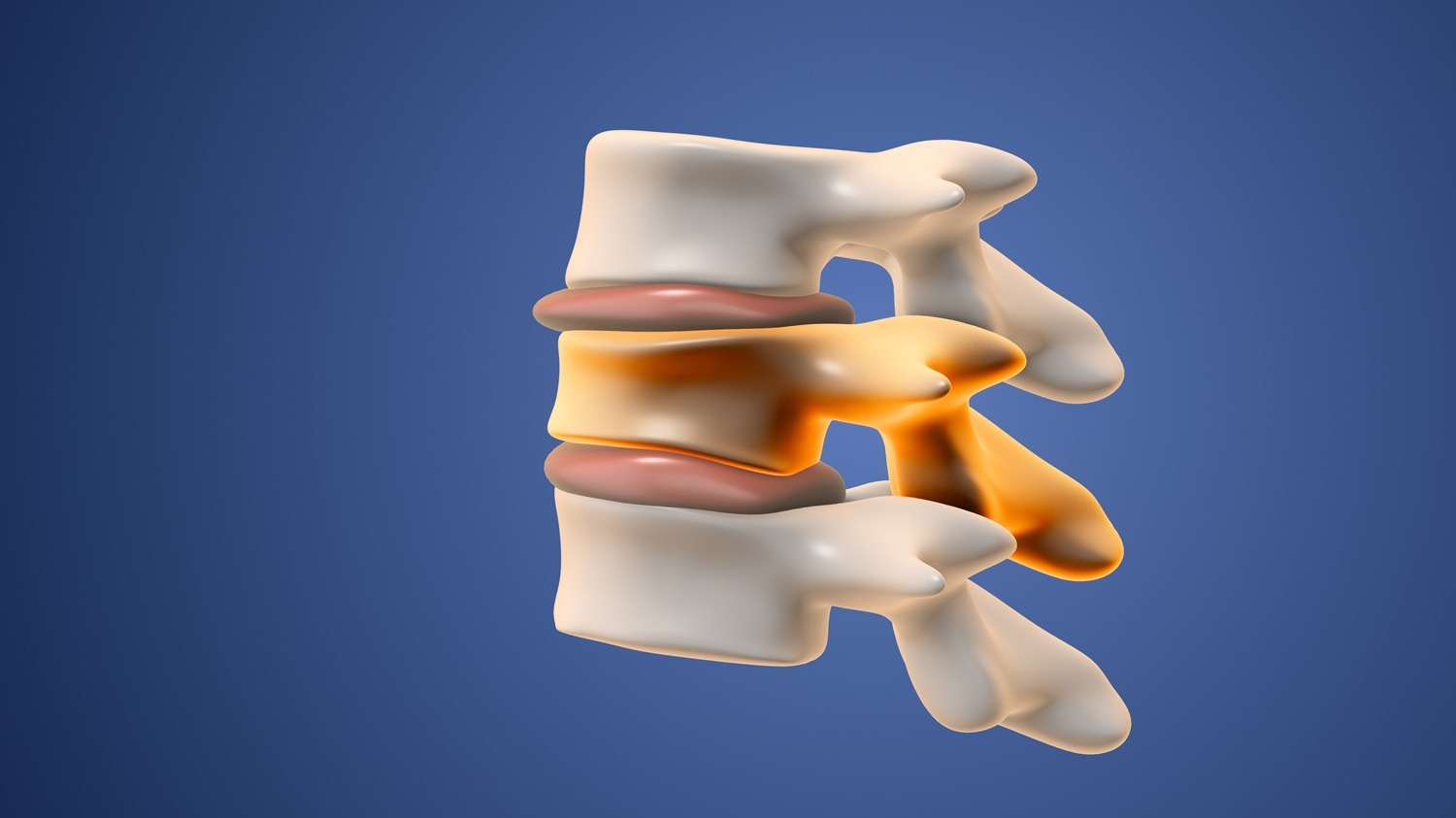
A kyphoplasty involves making space with a small balloon then filling it with bone cement. It’s a minimally invasive procedure that can fix certain minor but painful fractures resulting from issues like osteoporosis or spine tumors. But there’s a new review process for patients receiving Original Medicare-covered care in New Jersey introduced in January 2026. Let’s go over the new Medicare primary authorization requirements, how they apply to kyphoplasties, and how kyphoplasties can help.
Quick Answer
Kyphoplasty treats a painful vertebral compression fracture by creating space with a small balloon and filling it with bone cement. Many patients experience relief within days. Since January 2026, New Jersey’s Original Medicare WISeR pilot has subjected certain procedures to either prior authorization or review before Medicare pays the claim.
When a Compression Fracture Needs More Than Rest
A vertebral compression fracture occurs when one of the bones in the spine partially collapses. Osteoporosis and spine tumors are common causes. If the bone is sufficiently fragile, ordinary movement or small mishaps can cause fractures.
But not every compression fracture needs a procedure. Some can improve with nonsurgical options like pain medication, back braces, and changes in daily activity.
For someone whose pain remains severe, kyphoplasty may be an option. Timing is a factor, because kyphoplasties are generally considered for more recent fractures. NJ’s Medicare coverage policies also distinguish between acute osteoporosis-related fractures, less than six weeks old, and subacute fractures, six to 12 weeks old. It also requires recent imaging showing the fracture is still active, along with pain that meets a set threshold.
For a patient in the hospital, that means a pain score of 8 or higher out of 10. For someone at home, it means a score of at least 5 despite nonsurgical treatment, plus worsening pain or signs that the bone keeps collapsing.
An MRI can show swelling inside the injured vertebra, helping the surgeon identify whether the fracture is still active. Doctors need to conclude the fracture itself, not another condition, is causing the pain as well, because stabilizing the offending vertebra won’t help with other conditions.
What Happens During Kyphoplasty?
During the procedure, the patient lies facedown under sedation or anesthesia. The surgeon uses live X-ray guidance to place a hollow needle through the skin and into the fractured vertebra.
A small balloon is inflated inside the bone to create space and potentially restore some of its lost height. After the balloon is removed, bone cement fills the cavity and hardens, helping stabilize the fracture. Cleveland Clinic estimates that 92% of patients undergoing kyphoplasty report less pain.
For a single vertebra, kyphoplasty generally takes less than an hour. Patients commonly return home the same day, although they’ll need someone to drive them after sedation or anesthesia.
Some patients notice improvement immediately, while others take a few days to feel better. Tenderness around the needle site usually fades within two to three days, and ice can help in the meantime. Most people can return to daily routines once the anesthesia wears off, though Cleveland Clinic advises avoiding strenuous activity for several weeks and heavy lifting until bone health improves. The discharge instructions usually cover the bandage, which typically stays on for two days, and whether to shower rather than bathe while the site heals.
How Medicare’s WISeR Pilot Changes Care in New Jersey
On January 1, 2026, the Centers for Medicare & Medicaid Services (CMS) launched the Wasteful and Inappropriate Service Reduction (WISeR) Model in six states, including New Jersey. The new review process applies to selected services performed on or after January 15.
Kyphoplasty and vertebroplasty fall under the Medicare category percutaneous vertebral augmentation. The pilot also includes procedures such as epidural steroid injections and certain nerve stimulator implants.
This bears mentioning because WISeR doesn’t require every provider to obtain approval before performing a procedure.
CMS allows two routes. A provider can submit a prior authorization request before treatment or perform the service and have the claim reviewed for medical necessity before Medicare pays it.
But what does that mean for the patient? It means a surgeon’s office might need to wait for confirmation before they’ll perform the procedure. Ask what their process is for obtaining that authorization. If a request isn’t affirmed and the practice still plans the procedure, it should give you an Advance Beneficiary Notice of Noncoverage first. The form explains that Medicare may not pay and that you could owe the cost.
The Medicare coverage criteria themselves haven’t changed under WISeR. For kyphoplasty, the medical record still needs to support why the procedure is necessary, including how the pain limits daily activities and which nonsurgical treatments have been tried.
What to Ask While the Request Is Being Reviewed
CMS generally expects WISeR participants to respond to standard prior authorization requests within three days, although submissions routed through a Medicare Administrative Contractor may take longer.
The surgeon’s office can tell you when the request was submitted, whether a decision has arrived, and whether additional records are needed.
If the request isn’t affirmed, the practice may submit it again with more supporting information. Standard Medicare appeal rights also remain available for denied claims.
Key Takeaways Before Scheduling
- Ask which vertebra is fractured and what imaging shows about its age.
- Review which nonsurgical treatments have been tried and whether they have helped.
- Confirm whether the practice uses WISeR prior authorization or post-service medical review.
- Ask how long the practice expects the coverage review to take before scheduling.
- Discuss the expected recovery restrictions and warning signs before leaving the office.
Questions Patients Ask About Kyphoplasty
Is Kyphoplasty Major Surgery?
Not in the usual sense. Kyphoplasty is a minimally invasive procedure performed through a small puncture rather than a large surgical incision. It still requires sedation or anesthesia, and complications, while uncommon, can happen.
Most patients don’t need a formal rehabilitation program solely because they underwent kyphoplasty, although recovery instructions depend on their condition.
Does Medicare Advantage Follow the Same WISeR Rules?
No. WISeR applies to Original Medicare, not Medicare Advantage.
Medicare Advantage plans have their own coverage policies and may need prior authorization for kyphoplasty. Patients should check their particular plan’s requirements rather than assuming the Original Medicare process applies.
What Are the Risks of Kyphoplasty?
Kyphoplasty is generally considered low risk, though possible problems include infection, bleeding, increased pain, and nerve injury. Bone cement can also leak beyond the vertebra. Rarely, cement may travel through the bloodstream and cause a serious complication such as a pulmonary embolism.
Contact the surgical team promptly about fever, worsening pain, wound changes, or new numbness. Seek urgent medical attention for new weakness, loss of bladder or bowel control, or difficulty breathing.
Treating the Fracture Doesn’t Treat the Bone Loss
A successful kyphoplasty can stabilize the broken vertebra, but it doesn’t reverse the bone weakness that allowed the fracture to occur.
A fracture following little or no injury may signal osteoporosis. Without attention to bone health, the risk of another fracture remains.
Prevention may involve getting a bone density scan, taking appropriate medication, and reducing fall hazards. If a new prescription causes dizziness, ask whether recent medication changes could be raising the risk of another fall.
Before leaving the surgeon’s office, ask who will follow up on bone density testing and whether treatment to strengthen the bones is needed.
Sources
CMS: New Jersey Medicare Coverage Criteria for Vertebral Augmentation, LCD L35130
CMS: WISeR Model Frequently Asked Questions
CMS: WISeR Provider and Supplier Operational Guide
Nextgov/FCW: Medicare’s AI-Assisted Coverage Review Pilot Hit Early Snags
U.S. Senate: July 16, 2026 Roll Call Vote on S.J. Res. 198
House Appropriations Committee: FY2027 Labor-HHS Bill Markup