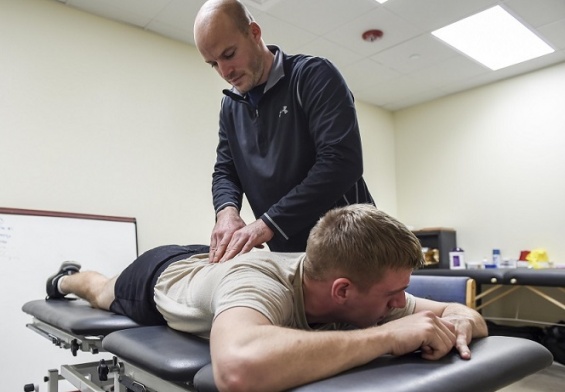

A tight knot at the top of the shoulder can send pain up the side of the head by late afternoon. Rubbing it helps for a minute, then the ache settles back in. For plenty of people seeking pain management in Elizabeth, NJ, a knot like that sits behind neck pain or back pain that never quite clears. Trigger point injections are one way to treat that knot, though they work best as part of a larger plan.
What a Trigger Point Is
A trigger point is a small, tender knot inside a band of tight muscle. One review in American Family Physician describes these knots as taut, band-like nodules that can cause pain and limit movement. Pressing on a knot can hurt in the spot itself and in a place farther away. A knot in the upper shoulder muscle, for example, can send pain toward the temple.
Knots form after a strain or from small, repeated stress on the same muscle. Hours at a laptop, a heavy bag on one shoulder, or lifting boxes all day can set the stage. Poor sleep and stress can make the muscle tighter still.
How Trigger Point Injections Work
During trigger point injections, a doctor presses along the muscle to find the knot, then places a thin needle into it. Just placing the needle can make the muscle twitch and let go. Numbing medicine then calms the area so the muscle can relax. A doctor can treat several knots in one visit, and ultrasound can help when a knot sits deep or close to the ribs.
What Goes in the Syringe
Most injections use a local numbing medicine such as lidocaine. According to StatPearls, a medical reference on the National Library of Medicine’s bookshelf, physicians, physician assistants, and nurse practitioners can all perform these injections. Some doctors add a small dose of steroid. A version called dry needling uses the needle alone, with no medicine at all.
Trigger Points Treated by Pain Management in Elizabeth, NJ
Knots in the neck and upper back are among the most common reasons for these injections. Ongoing neck pain from desk work or a past car accident can trace back to the muscles along the shoulder blade. Tension headaches can start there too. In the low back, knots near the hip or along the spine can make standing up from a chair sting. Jaw muscles can form knots as well, and they can feel like a toothache or earache.
Plenty of desk workers who commute into Newark or New York build these knots over months. Looking down at a phone on the train strains the same neck muscles. Small fixes that prevent back pain from desk work, such as raising the monitor to eye level, can keep new knots from forming. Warehouse and port workers who lift and twist all day face the same problem from a different angle.
What Studies Show
Studies on trigger point injections show mixed results, and an honest plan says so. Trials show benefit, according to the American Family Physician review, but small study sizes, the placebo effect, and short follow-up limit what those results prove. No single injected drug beat another, and none beat salt water by a clear margin. Even so, plenty of people do feel the knot release after an injection.
For that reason, the review advises trying massage, physical therapy, and hands-on manual care first. Injections fit best when a knot has not let go after those steps. Each injection works as one part of a team plan, alongside stretching and changes to daily habits.
Heat, gentle stretching, and over-the-counter pain relievers can loosen a fresh knot within a week or two. A knot from one hard workout usually eases faster than a knot built over months of desk work. Asking how many injections the doctor plans, and what comes after, keeps the plan realistic.
What a Trigger Point Injection Visit Looks Like
Each visit starts with an exam to find the knots and rule out other causes, such as a pinched nerve. An injection takes only a few minutes. Right after, the doctor may ask the person to stretch the muscle. People usually drive themselves home the same day.
Trigger points differ from the tender points linked to fibromyalgia. A tender point hurts only where fingers press on it. Trigger points feel like firm bands under the skin and can send pain somewhere else. Telling the two apart guides whether an injection makes sense.
Soreness at the site for a day or two is normal. Bruising can happen, especially for someone on a blood thinner. StatPearls lists an active skin infection over the area as a reason not to inject. Injections near the ribs pose a small risk of a collapsed lung, so a doctor takes extra care in that area.
Gentle movement the same evening helps the muscle stay loose. Heavy lifting or a hard workout can wait a day or two. Ice can ease soreness at the needle site, and a heating pad the next day can help the muscle relax further.
Where Trigger Point Injections Fit in Pain Management in Elizabeth, NJ
A doctor offering pain management in Elizabeth, NJ will look at the whole muscle problem along with the knot. Treatment may pair an injection with a home stretching plan and a few weeks of physical therapy. If the pain keeps coming back, the doctor may look for a joint or nerve problem underneath. That search can lead to a different procedure altogether. Knots that keep forming can also point to a posture or sleep problem, such as a pillow that leaves the neck bent all night.
Questions About Trigger Point Injections and Pain Management in Elizabeth, NJ
Do Trigger Point Injections Hurt?
A quick pinch and a brief cramp are common as the needle enters the knot. Numbing medicine eases the cramp within seconds. Breathing out slowly as the needle goes in can make the pinch easier. Afterward, the area may feel bruised for a day or two.
How Long Does Relief Last?
Relief can last from a few days to several weeks, and it varies from person to person. Stretching and posture changes help the muscle stay relaxed after the medicine wears off. Some people need a short series of injections spaced over a few weeks. A knot that comes back right away may need a closer look at the muscles around it. Follow-up visits for pain management in Elizabeth, NJ can track how long each round of relief lasts.
Is Dry Needling the Same Thing?
Close, but not quite. Dry needling uses the same thin needle without injecting any medicine. Physical therapists perform dry needling in many states, while a doctor or trained clinician gives a trigger point injection with medicine. Insurance may cover one and not the other, so checking first avoids a surprise bill.
Booking Pain Management in Elizabeth, NJ for Muscle Knots
A short note on where the knot sits, what sets it off, and what has already helped saves time at the first visit. Bringing a list of medicines, including any blood thinner, keeps the injection plan safe. Asking how the injection will pair with stretching or therapy shows whether the plan covers more than the needle. A consult with a pain physician is a reasonable next step when a knot keeps returning.
Sources
American Family Physician. Trigger Point Management.
StatPearls, National Library of Medicine. Trigger Point Injection.