
 Most people have had heartburn every now and again. It’s that painful, burning feeling you get in your chest that usually occurs after you’ve eaten something you likely know you shouldn’t have. It can also happen when you’ve overindulged in a food that wouldn’t normally give you heartburn … if only you’d eaten it in moderation. Occasional heartburn isn’t considered a medical problem. It’s when you start experiencing that painful, burning sensation on a regular or recurring basis that it can turn into a health concern. That’s when it turns from an infrequent occurrence to a medical condition known as gastroesophageal reflux disease (GERD), more commonly referred to as ‘acid reflux.’ Acid reflux not only can cause discomfort and pain that can eventually become severe. It can also take a chunk out of your active lifestyle that you’re not willing to give. Top gastroenterologists recommend taking some of the following steps toward reducing acid reflux in order to reduce the pain and additional symptoms that can accompany this medical condition.
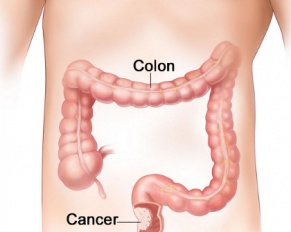
The American Cancer Society reports that colon cancer is the second leading cause of cancer-related deaths in the United States, with only lung cancer causing more cancer-related deaths among Americans. More than 50,000 deaths are attributed to this disease every year in our nation. But there are steps you can take to reduce the risk of developing this horrible disease. Prevention is key when it comes to colon cancer. Because it is a disease that is largely preventable, it’s important to know the factors that can contribute to its development. GI doctors throughout the country recommend healthy living for its prevention. That doesn’t mean you have to eliminate all your favorite foods or become an Olympic athlete to avoid getting colon cancer. For many of us, it means changing a little here and there in order to live a longer, healthier life free of colon cancer and its deadly effects. Following are some important tips on lower your risk of colon cancer.