
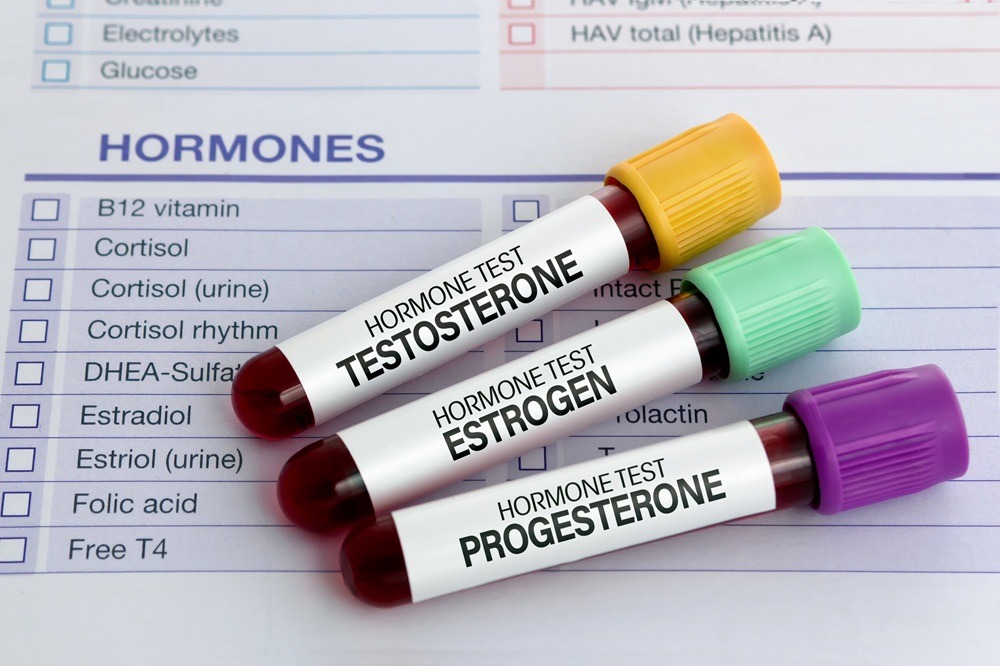
Changes in vision, periods, or body growth can seem far apart. Each change may lead to a different office before anyone checks the pituitary. Pituitary tumor symptoms can connect vision and hormone changes because the gland sits near the optic nerves and controls hormone output. A doctor needs to rule out thyroid disease, drug effects, and other causes before linking the changes to the pituitary. Head pain may never appear. Side vision can narrow slowly, rings can feel tight, or periods can change. A note with dates lets a doctor compare when each change began. When doctors assess a pituitary adenoma, they review hormone tests, eye tests, and MRI findings together.
Why Pituitary Tumor Symptoms Affect Separate Body Systems
Behind the nose, the pituitary gland sits just below the optic nerves that send images to the brain. The gland tells the thyroid and adrenal glands when to make hormones. Other pituitary hormones affect the ovaries and testes. A growth in this small area can affect eyesight, hormone output, or both.
Tumor size does not always predict pituitary tumor symptoms. A small tumor that makes extra hormone can cause body changes early. As a growth expands, it may lower normal hormone output or reach the vision pathway. A scan for another health issue may reveal a tumor that caused no symptoms.
A clue may appear on an eye chart or in a hormone test. Mayo Clinic explains that pressure near the gland can affect sight and hormone levels can change how the body works. Side vision loss may lead to an eye clinic. A period change or new shoe size may come up later with another doctor.
Why Side Vision Can Change First
The optic chiasm sits just above the pituitary. This crossing point contains nerve fibers linked to side vision. Upward tumor growth may press on the fibers before central vision changes. A person may still read an eye chart with no trouble.
Daily tasks may reveal the loss first. Someone may brush a shoulder against a doorway or miss a person coming from the side. Driving may require more head turning than before. Small field defects may go unnoticed with both eyes open. Pressure can also affect eye movement or eyelid control. Mayo Clinic lists side vision loss, double vision, and eyelid droop among signs from pressure. A formal visual field test maps the missing area in each eye. New double vision or worsening vision loss needs prompt review.
Hormone Patterns Behind Pituitary Tumor Symptoms
A tumor that makes extra hormone can affect periods, sex drive, or body growth. The National Cancer Institute groups signs by the hormone a tumor releases, including prolactin and ACTH. Blood work can show whether a hormone level is high or low. Slow body changes can delay the first MRI.
Periods and Prolactin
High prolactin can lead to missed or lighter periods. Breast discharge outside pregnancy or breastfeeding may appear. Lower interest in sex, trouble getting pregnant, or trouble with erections can also occur. A women’s health doctor, fertility clinic, or family doctor may spot the first clue. When several changes begin close together, a doctor may add a prolactin test to blood work. Some medicines can raise prolactin. Doctors review drug lists and supplements before they decide a tumor caused a high reading. Pregnancy or thyroid disease can alter results, so a doctor may repeat the blood draw before imaging.
Cortisol, Growth Hormone, and Thyroid Clues
ACTH, growth hormone, and thyroid-stimulating hormone affect separate parts of the body. Tight rings or a new shoe size can show when a change began. The hormone involved affects which other signs appear:
- ACTH: easy bruising, muscle weakness, or purple stretch marks
- Growth hormone: larger hands, feet, or facial features
- Thyroid-stimulating hormone: weight loss, shaking, or an uneven heartbeat
- Low hormone output: fatigue, feeling cold, or loss of body hair
Symptoms alone cannot show the cause because thyroid disease, pregnancy, and menopause can produce the same signs. Medicine side effects can cause similar signs. A doctor compares the exam with blood work. Eye and MRI findings can then narrow the cause.
What Blood Work, Eye Tests, and MRI Each Show
A doctor starts with the order of the changes, current medicine, and older lab results. Blood work may check prolactin, cortisol, or thyroid hormones. An eye exam can map side vision. Other blood tests may check growth hormone or normal pituitary output. MRI shows the pituitary gland, tumor size, and nearby structures. Doctors review the scan beside hormone and vision results during a brain tumor evaluation. Mayo Clinic notes that medicine may control tumor growth or lower hormone levels in some cases. Doctors may move surgery review sooner when a tumor presses on the optic chiasm.
Families can write down questions to ask before brain surgery about the route to the tumor, vision goals, and the hospital stay. A separate question may cover who will check hormone and sodium levels after surgery. Before discharge, a surgery team may review care after pituitary surgery, including nasal care, lifting limits, and warning signs. The written plan should also say who to call if vision changes or clear fluid from the nose appear.
When Pituitary Tumor Symptoms Need Emergency Care
A pituitary tumor can bleed or lose blood flow without warning. Doctors call the sudden event pituitary apoplexy. A severe headache may begin suddenly, followed by vision loss or double vision. Nausea, vomiting, or confusion may also occur.
Someone with sudden severe head pain, new vision loss, or confusion should get emergency care. Mayo Clinic advises urgent care because pituitary apoplexy can threaten sight and hormone function. An emergency team can check sight and hormone levels, then decide whether to operate. A doctor can review gradual symptoms at a scheduled visit, especially when vision and hormone changes appear during the same period.
Questions About Headaches, Hormone Tests, and Incidental Findings
Can pituitary tumor symptoms occur without a headache?
Yes. Head pain is only one possible sign. Doctors can still test hormone levels and side vision when the history points toward the pituitary.
Can normal hormone tests rule out a pituitary tumor?
No. A nonfunctioning tumor may press on the optic pathway even when hormone levels stay in range. Doctors may pair MRI and eye testing with blood work when the history points toward the gland.
What does an incidental pituitary finding mean?
A scan found the growth during a check for another health issue. Doctors check hormone output, contact with the optic pathway, and any change on older scans. A doctor may watch a small growth on later scans when hormone and vision tests are normal.
Bring a Timeline of Pituitary Tumor Symptoms
A timeline can include eye test results, medicine changes, and when periods or sex drive changed. Old photos or a new shoe size may add another date. A family doctor, hormone specialist, or eye doctor can start the review. MRI or hormone results may later bring a brain surgeon into the care team.
Sources
National Cancer Institute, Pituitary Tumors Signs and Symptoms
Mayo Clinic, Pituitary Tumors and Adenomas: Symptoms and Causes