
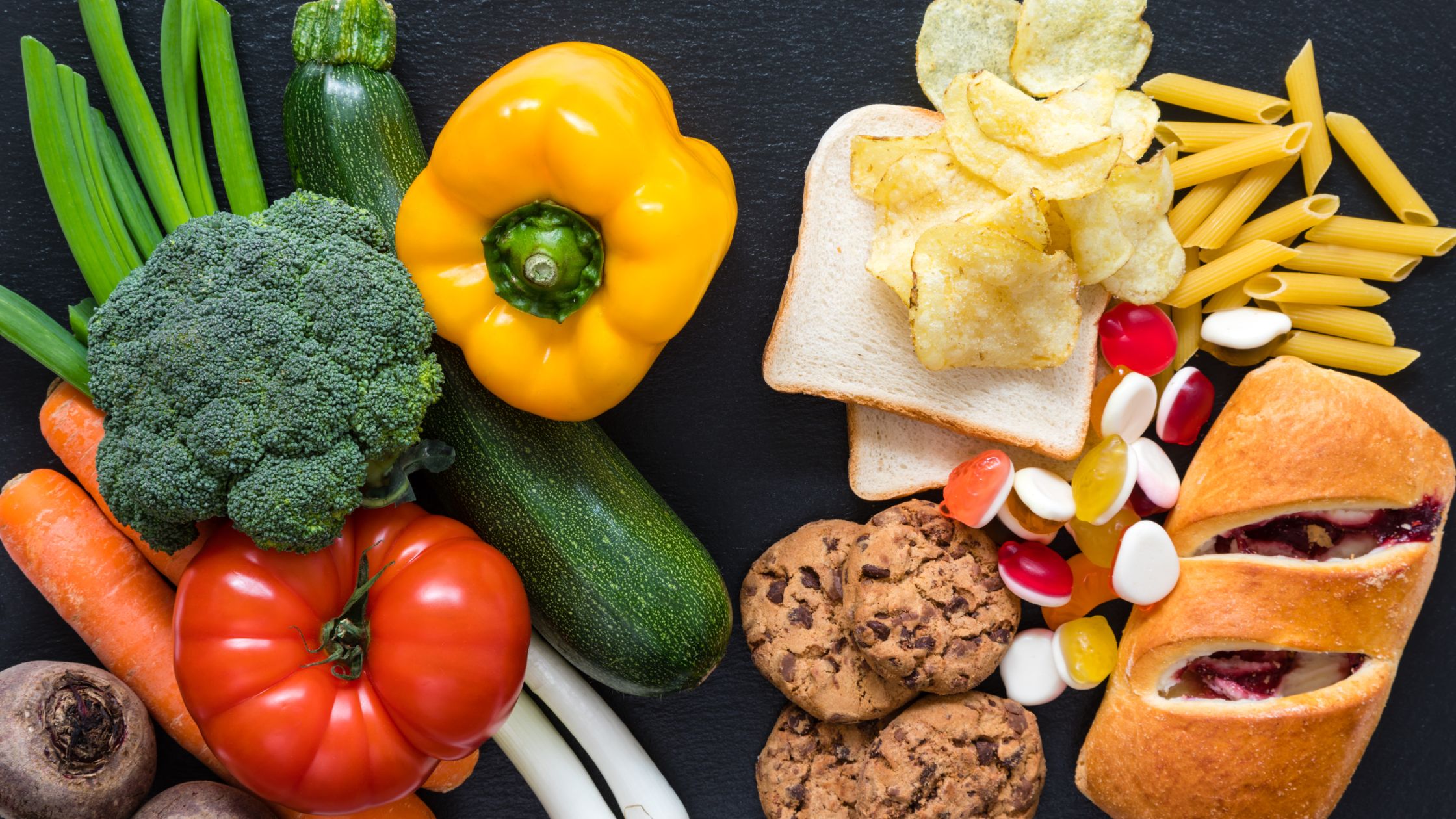
You’ve been eating yogurt every morning because you heard it’s good for your gut. An online diet says to cut out dairy. A stool-test company offers to choose your foods. A microbiome diet can quickly turn an ordinary grocery trip into a list of conflicting rules.
In March 2026, researchers published a study involving 10,068 people. They found hundreds of links between what participants ate and the microbes living in their intestines. The results add detail, but researchers have not tested a matching meal plan in patients.
What Is a Microbiome Diet?
A microbiome diet is an eating approach meant to support the microorganisms in your digestive tract. Bacteria make up part of that community, along with other microbes. Some use nutrients that pass through your small intestine and reach the colon.
No one eating plan works for every gut. Eating patterns that support gut health often include varied plant foods, enough fiber, and meals a person can tolerate. A rigid list of prohibited foods may leave out useful sources of nutrients.
How a Microbiome Diet Feeds Gut Bacteria
Your body digests most starch and sugar before they reach the colon. Certain plant fibers travel farther because the body cannot break them down on its own. Some gut bacteria ferment those fibers and produce short-chain fatty acids.
One of those compounds, butyrate, helps fuel cells that line the colon. However, bacteria vary in which fibers they use. The gut microbiome includes many kinds of bacteria. Each has its own role. Food labels can help you compare choices. Check the fiber grams on bread and cereal, then look at how much you eat in one serving. A higher-fiber food may be useful, but taste and cost affect whether you will keep buying it.
Fiber and Fermented Foods Do Different Jobs
Fiber feeds bacteria already living in the bowel. Fermentation happens before a food reaches your plate. In yogurt, for example, starter cultures turn milk into a thicker, tangier product. Some fermented foods contain live microorganisms when you eat them. Others have been heated or processed in ways that remove live cultures. The word “fermented” alone does not mean a food has proven probiotic benefits.
What Researchers Found in 10,068 People
Published in Nature Medicine, the study used food logs and stool samples from the Human Phenotype Project. The team measured microbial DNA, then used statistical models to look for links between diets and bacteria.
Diet helped the models predict the abundance of 669 out of 724 species tested. Researchers also reported associations involving 313 of 320 microbial pathways. Those figures describe model performance and statistical links, not the proportion of microbes that became healthier. Eating patterns also tracked with the variety of gut bacteria. Less processed diets were linked with greater diversity. Diets high in ultra-processed foods showed the opposite link. A diversity score alone cannot diagnose gut health.
Why Coffee, Yogurt, and Milk Drew Attention
Coffee consumption had a strong association with a bacterium called Lawsonibacter asaccharolyticus. Yogurt intake was linked with Streptococcus thermophilus, a bacterium used in yogurt production. Milk intake was associated with certain Bifidobacterium species.
Correlations were 0.43 for coffee, 0.42 for yogurt, and 0.31 to 0.36 for milk. These numbers do not prove that any of those foods improved health.
What a Microbiome Diet Study Cannot Prove Yet
The participants recorded what they ate, and researchers measured their gut bacteria. The team also examined data collected over several years. Still, observational data cannot tell us whether a food caused each microbial difference.
The team also simulated diets based on each person’s gut bacteria. Computers predicted changes in bacteria and blood-fat measures. No clinical trial showed that these meal plans improved health. A 2026 review in Annual Review of Food Science and Technology described concerns about test methods. It also noted that studies often lack a broad mix of people. Researchers still need stronger trials before prescribing diets from gut tests.
Building Meals With Foods You Already Buy
At breakfast, add fruit to your eggs and toast, or try whole-grain bread. Pick one change that fits your usual meal. Meal planning takes practice. Health education can help turn nutrition advice into grocery choices and familiar meals.
Increase Fiber at a Pace Your Gut Can Handle
A large serving of beans may cause gas if you rarely eat them. Some gut bacteria ferment the carbohydrates in beans, and gas is one result. Start with a small serving and see how you feel over the next day.
Then add a little more as tolerated. Drink fluids regularly, and consider cooked vegetables if raw ones leave you bloated. If a food continues to cause symptoms, keep a brief record of the portion and what happened afterward. Do not force a food that makes you feel ill. If small servings of beans keep causing pain, try a different plant food for now. Bring recurring symptoms to your doctor rather than cutting out whole groups of foods on your own.
Does a Microbiome Diet Require a Stool Test?
Commercial tests can report microorganisms found in a stool sample. Labs use different methods, and no single bacterial pattern defines a healthy gut.
Before paying for a test, ask what decision the results would change. Has a clinical trial shown that people following that company’s food advice have better outcomes? Can the report distinguish a normal variation from a finding that needs medical care?
When a Microbiome Diet Needs Medical Input
Celiac disease requires a gluten-free diet. Diabetes may call for carbohydrate planning. During bowel disease flares, food tolerance may change.
A clinician should review your individual health history, medications, and symptoms before you make major food restrictions. If possible, work with a registered dietitian who has experience with your condition. Ask which foods are medically necessary to avoid and which you can test again later. Seek medical advice for blood in the stool, unexplained weight loss, lasting diarrhea, or severe abdominal pain. These symptoms may point to an illness that needs treatment, regardless of what a microbiome test reports.
Common Questions About Gut-Friendly Eating
Should I buy a probiotic supplement?
Choose a probiotic only after checking whether a particular strain has evidence for your reason for taking it. Ask a pharmacist or clinician about the strain, dose, and any safety concerns. Live-microbe supplements may pose risks for people with serious illness or weak immune systems.
How can I tell whether yogurt contains live cultures?
Read the container for a statement about live or active cultures and look at the ingredient list. Some products undergo heat treatment after fermentation. If you cannot tolerate lactose, ask about lactose-free choices or use other foods that fit your needs.
How quickly might my gut bacteria respond to a new diet?
Researchers have measured changes in gut bacteria within days of major dietary changes. Lasting effects depend on what you keep eating. Track your symptoms for several weeks to see whether a food agrees with you.
A Useful First Step for Your Gut Health
Write down the plant foods you ate over the past three days. Choose one more to add to a meal this week, then see whether the portion agrees with you. The 2026 study shows food-microbe links; proposed personal meal plans still need clinical tests. If you have persistent digestive symptoms or a medical condition, bring your food record to your next appointment.