Hearing the word tumor during an MRI review can be one of the more frightening moments in a person’s life. The fear does not always match the outcome. Most meningiomas are not cancer, and many never cause a single symptom. Still, when meningioma symptoms do appear, they can be vague enough to explain away for months.
A headache that will not quit can point to other causes at first. So can a change in vision or a change in memory. Knowing what meningioma symptoms look like can help someone get the right evaluation sooner.
What Is a Meningioma?
A meningioma grows from the meninges, the thin layers of tissue that wrap around the brain and spinal cord. It is the most common type of primary brain tumor, and most cases are benign. Meningiomas usually grow slowly, sometimes over many years. This is part of why symptoms can take so long to show up.
Common Meningioma Symptoms by Tumor Location
Meningioma symptoms depend heavily on where the tumor sits, since it presses on different nearby structures. A tumor near the front of the brain may affect mood, personality, or the sense of smell. Physical symptoms can come later. One near the skull base can press on nerves that control vision, hearing, or facial movement instead.
Dr. Sanjay Ghosh’s practice reviews meningioma diagnosis and treatment on a case by case basis. The right next step depends on where the tumor is found.
Symptoms From Tumors Near the Skull Base
Skull base meningiomas sit close to cranial nerves, blood vessels, and the brainstem. This makes their symptoms different from tumors elsewhere. Hearing loss, facial numbness, double vision, and balance problems are common with this location. These tumors can also be more complex to remove, since they sit so close to critical structures.
Meningioma Symptoms That Are Easy to Mistake for Something Else
Many meningioma symptoms overlap with far more common conditions, which is part of why diagnosis can take time. A persistent headache might get treated as a migraine or tension headache for months. Mild memory or concentration changes are easy to blame on stress, aging, or lack of sleep. Occasional dizziness or a subtle vision change can look like an inner ear problem or plain eye strain.
The distinguishing feature is usually persistence and progression. A headache that behaves like every other headache is far less concerning. One that steadily worsens, changes character, or comes with new neurological signs, like weakness on one side or a change in speech, deserves more attention.
What Causes a Meningioma
Doctors do not fully know why most meningiomas form. A few known risk factors include prior radiation exposure to the head and certain inherited conditions such as neurofibromatosis type 2. Meningiomas are also about twice as common in women. Age plays a role too, with most cases diagnosed in adults over 60.
The American Brain Tumor Association reports that meningiomas make up about a third of all primary brain tumors diagnosed in the United States. That makes them the most common type.
How Doctors Diagnose a Meningioma
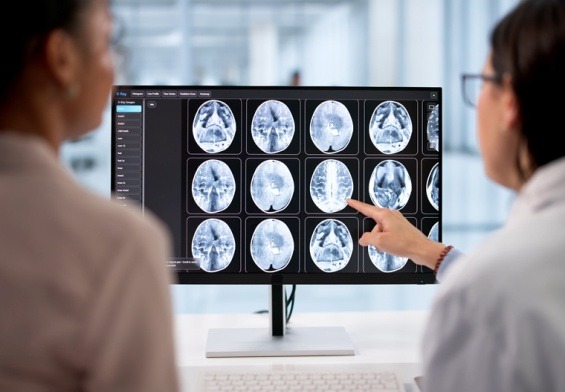
Diagnosis usually starts with imaging, typically an MRI with contrast, which shows the tumor’s size and location in detail. A CT scan sometimes follows if bone involvement needs a closer look. Blood tests and additional scans may rule out other causes of similar symptoms.
From there, a neurosurgeon reviews the images alongside a patient’s own symptoms. Together, these point toward observation, treatment, or further testing. Many of the same imaging steps apply to brain tumor surgery broadly. Surgeons need clear imaging of the brain’s structure before planning any procedure.
Dr. Sanjay Ghosh reviews this kind of imaging as part of his cranial program. The program also covers many other brain and skull base conditions. One team following a case from imaging through treatment can help, especially when a tumor sits near delicate structures.
Meningioma Treatment Options, From Watching to Surgery
Not every meningioma needs immediate treatment. Small, slow-growing tumors that cause no symptoms are sometimes monitored with periodic MRI scans instead of treated right away. When a meningioma does need treatment, several options exist. These include surgical removal, stereotactic radiosurgery such as Gamma Knife or CyberKnife, or a combination of both. The right choice depends on the tumor’s size, location, and how it behaves over time.
Dr. Sanjay Ghosh’s approach to brain tumor management weighs tumor size, location, and behavior before recommending a path forward. Skull base tumors in particular involve different risks depending on the technique used. Recovery time varies widely depending on the approach. It can range from a single outpatient radiosurgery session to a longer hospital stay after open surgery.
When Meningioma Symptoms Mean It’s Time to See a Neurosurgeon
Most meningiomas are found incidentally, on imaging done for an unrelated reason. That means a lot of people never notice symptoms at all. But a few patterns do deserve prompt evaluation when meningioma symptoms show up.
These warning patterns include a new or first-time seizure in an adult, a headache that steadily worsens over weeks, sudden vision loss, or new weakness on one side of the body. Any of these are reasons to seek care quickly rather than wait it out. A second opinion is also reasonable for anyone who has already been told they have a meningioma. This applies especially if someone is unsure about the recommended next step.
What Recovery Looks Like After Treatment
Recovery after meningioma treatment depends heavily on which approach was chosen and where the tumor sat. Radiosurgery patients typically go home the same day. Most resume normal activities within a few days to a couple of weeks. Open surgery involves a hospital stay of several days, followed by a longer recovery period at home.
Some patients notice temporary swelling-related symptoms right after treatment that improve over the following weeks. Follow-up imaging is standard for at least a few years afterward, since meningiomas can occasionally return even after successful treatment.
Finding the Right Neurosurgeon for a Meningioma Diagnosis
Not every neurosurgeon has equal experience with meningiomas. This is especially true near the skull base, where the margin for error is small. Fellowship training in skull base surgery is one meaningful marker of specialized experience. A track record of treating complex or hard-to-reach tumors is another.
Dr. Sanjay Ghosh, a San Diego neurosurgeon, completed fellowship training in skull base surgery. He has treated meningiomas in some of the more difficult locations to reach. Families considering a consultation can review his full training and experience in more detail. Specialized experience like this can make the biggest difference for tumors sitting close to nerves controlling vision, hearing, or facial movement.
Questions Patients Ask About Meningioma Symptoms
Are meningiomas usually cancerous?
No. More than 90 percent of meningiomas are benign, though a small percentage are atypical or malignant and grow more aggressively.
How fast do meningiomas grow?
Most meningiomas grow slowly, sometimes so slowly that a tumor found on one scan looks nearly identical years later. A smaller number grow faster and need closer monitoring or earlier treatment.
Can a meningioma come back after treatment?
Yes. Even after complete surgical removal, meningiomas can occasionally recur, which is why follow-up imaging continues for years after treatment.
Getting a Meningioma Diagnosis Evaluated Early
Most meningiomas are slow-growing and benign, and most patients never need anything beyond periodic monitoring. Meningioma symptoms that are new, worsening, or paired with a seizure or sudden vision change are different. Those deserve a prompt evaluation rather than a wait and see approach. A neurosurgeon with real experience in skull base and complex tumors can offer real clarity. That includes what a diagnosis means and what, if anything, needs to happen next.
American Brain Tumor Association, Meningioma
American Cancer Society, Meningioma