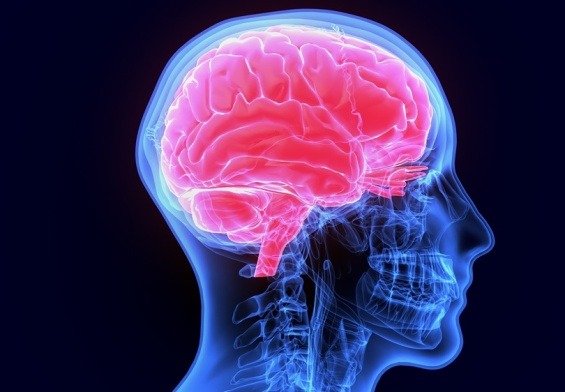
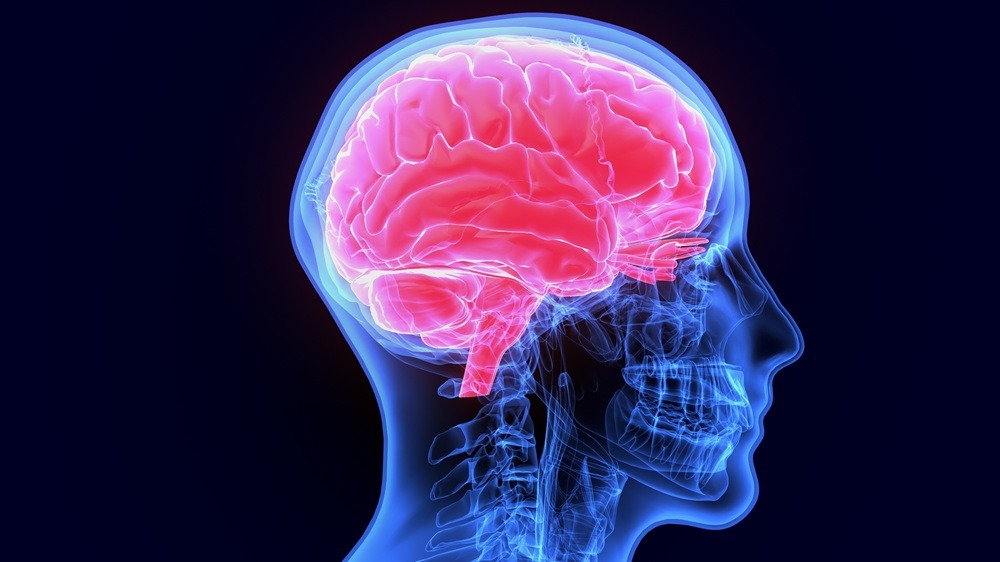
A normal blood test can be reassuring when you have been feeling unwell. But if a doctor is concerned about a new seizure, worsening headaches, or changes in your vision, the next test may still be a brain scan. Researchers are studying blood tests for brain tumor detection, although routine bloodwork cannot rule out a tumor.
Researchers published a major review in September 2026 comparing tumor DNA found in blood with DNA found in spinal fluid. Their results help explain why a brain MRI remains central to diagnosis and why a negative experimental blood test can miss a glioma.
Can a Blood Test for Brain Tumor Detection Work Today?
Most standard blood tests cannot detect a brain tumor. A complete blood count measures blood cells, and a chemistry panel checks substances linked to organ function. These results may help doctors investigate symptoms or plan treatment. They cannot show whether a mass is growing in the brain.
Doctors usually begin a brain tumor evaluation with a medical history and neurological examination. When symptoms raise concern, MRI can show a suspicious area, its size, and its location. A doctor may order other tests based on those findings.
Why a Blood Test for Brain Tumor Diagnosis Can Miss Cancer
Many brain tumors do not cause changes in ordinary blood counts or chemistry results. Someone may therefore have normal laboratory values while a scan reveals a mass. The type of tumor and its effects on surrounding brain tissue help determine which symptoms appear.
What the Blood-Brain Barrier Changes
The brain has blood vessels with closely joined cells that regulate what enters its tissues. Doctors call this system the blood-brain barrier. It can also limit how much DNA released by a tumor reaches the bloodstream.
Tumor cells may release small pieces of genetic material as they break down. Researchers call these pieces circulating tumor DNA, or ctDNA. When very little tumor DNA reaches a blood sample, a laboratory may fail to detect it even with advanced equipment.
What a Blood Test for Brain Tumor Research Looks For
A liquid biopsy looks for tumor-related material in a body fluid. Researchers may test blood plasma or cerebrospinal fluid, often called CSF. Some methods search for DNA mutations that match changes found in tumor tissue.
One tumor type under investigation is glioma. Gliomas arise from cells in the brain or spinal cord and include tumors with different grades and genetic features. Knowing those features can help specialists classify a tumor and discuss treatment.
What the 2026 Glioma Review Found
The September 2026 paper in Neuro-Oncology Advances combined 28 studies. Its full results describe 613 participants: 501 glioma patients and 112 controls. Over 80% of the tumors were high-grade.
Across the studies, pooled sensitivity was 79% for tumor DNA detected in CSF and 29% for DNA detected in plasma. Sensitivity describes how often a test finds its target in people who have the condition being studied.
The review combined studies using different laboratory methods, tumor types, and sample collection approaches. As a result, those figures do not predict how a test will perform at a particular clinic. They also do not describe routine screening in healthy adults.
Why Tumor Location Affected Spinal-Fluid Results
CSF surrounds the brain and spinal cord. A tumor close to these fluid spaces may release more detectable DNA into the fluid than a tumor farther away.
In the review, pooled sensitivity was 86% for tumors near CSF spaces and 66% for tumors farther away. Detection was also higher in high-grade tumors than in low-grade tumors. Those differences make the patient’s imaging and diagnosis essential when interpreting a negative result.
Doctors sometimes collect CSF through a lumbar puncture in the lower back. However, a brain mass or raised pressure inside the skull can make that procedure unsafe. Imaging and a specialist assessment must come first when those risks are possible.
Is a Blood Test for Brain Tumor Screening Reliable?
A blood test for brain tumor screening has not been validated for routine use. Current evidence does not support offering plasma ctDNA testing to people without a known tumor. The 2026 review largely examined people who already had gliomas, and a plasma sensitivity of 29% leaves a high risk of missed detections.
What a Negative Result Can and Cannot Tell You
Imagine 100 people with gliomas similar to those studied. At 29% sensitivity, a plasma assay would detect its target in about 29 of them. The others might have negative tests despite having a tumor.
This example does not estimate your personal chance of cancer. It explains why doctors should not use a negative ctDNA result to cancel an MRI that is medically indicated.
How Doctors Investigate a Suspected Tumor
When someone develops a first seizure or a new neurological problem, clinicians decide how urgently imaging is needed. MRI provides detailed views of brain tissue. CT is sometimes useful in an emergency or when MRI is unsuitable.
A neurologist or neurosurgeon considers symptoms alongside the scans. Headaches, personality changes, and weakness can have several causes. Readers looking for the range of possible signs can review glioma symptoms, but a symptom list cannot diagnose the source of a problem.
If imaging shows a suspicious mass, the team may recommend surgery or a biopsy to obtain tissue. In some cases, the location of the mass makes sampling more difficult. Specialists discuss the risks, likely benefits, and other ways to gather useful information.
Where a Blood Test for Brain Tumor Monitoring Might Help
Scientists are also studying liquid biopsy after a known tumor has been treated. Repeated measurements could one day help researchers track tumor-related mutations or assess whether a treatment is working. These uses remain under development and are not a substitute for scheduled scans.
A February 2026 review in Cells examined tumor DNA, RNA, and tiny particles released by cells. It identified low biomarker levels, differences between laboratories, and high testing costs as barriers to wider clinical use.
Ongoing neurosurgical care depends on a person’s diagnosis, treatment history, symptoms, and imaging. If a team recommends liquid biopsy, ask whether clinicians routinely use it for your condition or whether it is part of a study. Ask what the result could change in your care plan.
Common Questions About Blood Tests and Brain Tumors
Should I request an MRI if my bloodwork was normal?
Tell your doctor about new or worsening neurological symptoms and ask whether an examination or imaging is appropriate. A normal blood test does not rule out a brain tumor. A first seizure, sudden weakness, or an abrupt severe headache needs urgent medical evaluation.
Does a spinal-fluid test replace a brain biopsy?
Usually not. CSF testing can sometimes provide additional molecular information, but tissue analysis often remains necessary to classify a brain tumor. Ask your specialist what question each test would answer and whether collecting spinal fluid is safe.
What should I ask after an abnormal brain scan?
Ask where the abnormality is, which diagnoses the team is considering, and whether you need another scan or tissue sampling. Also ask who will review the images and when you should expect the next discussion. Take a written list so you can record the answers.
What to Ask Before Your Next Test
If your doctor recommends brain imaging, ask what the scan is intended to find and how quickly it should be done. If a specialist offers a liquid biopsy, ask whether the test is part of a research study and how a negative result would affect the plan. The new research may improve future testing, but your symptoms, examination, and imaging guide care today. Bring prior reports to the visit and get urgent help for sudden neurological changes.