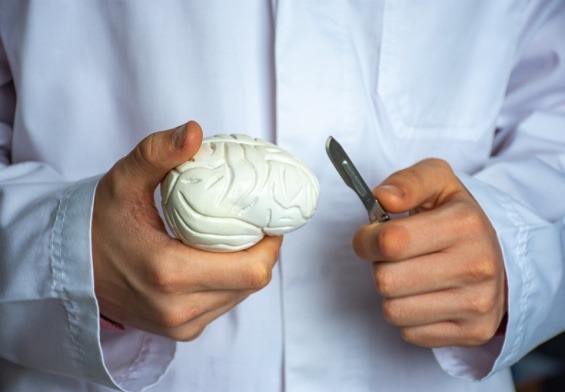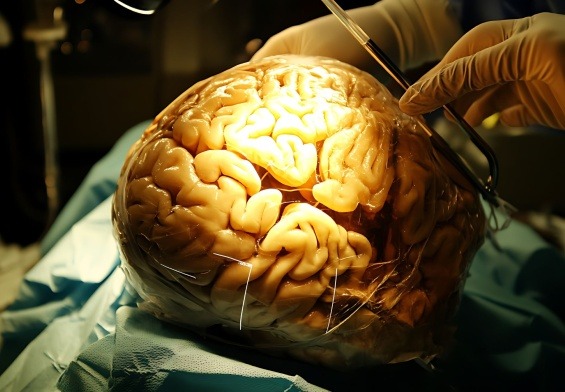
What is a craniotomy? Well, it is one of the most common types of brain surgery. Hearing a word like that by itself can sound alarming, but knowing what the actual procedure is becomes easier once someone walks through it. A craniotomy opens a section of the skull so a surgeon can reach the brain underneath. This allows the surgeon to treat whatever problem is causing symptoms, then after that is done the surgeon then closes that section of bone back into place.
Why Doctors Perform a Craniotomy
A craniotomy works as an entry point for treating several different problems inside the skull. Brain tumors are among the most common reasons for the procedure. Skillful removal of tumors near the critical brain structures can separate fellowship-trained specialists from general surgeons. That difference is one reason searches for the best neurosurgeon in San Diego usually increase for specialists with tumor experience. Bleeding inside the skull, a severe head injury, a fluid buildup, or an aneurysm all call for this same approach.
Getting Ready Before Surgery
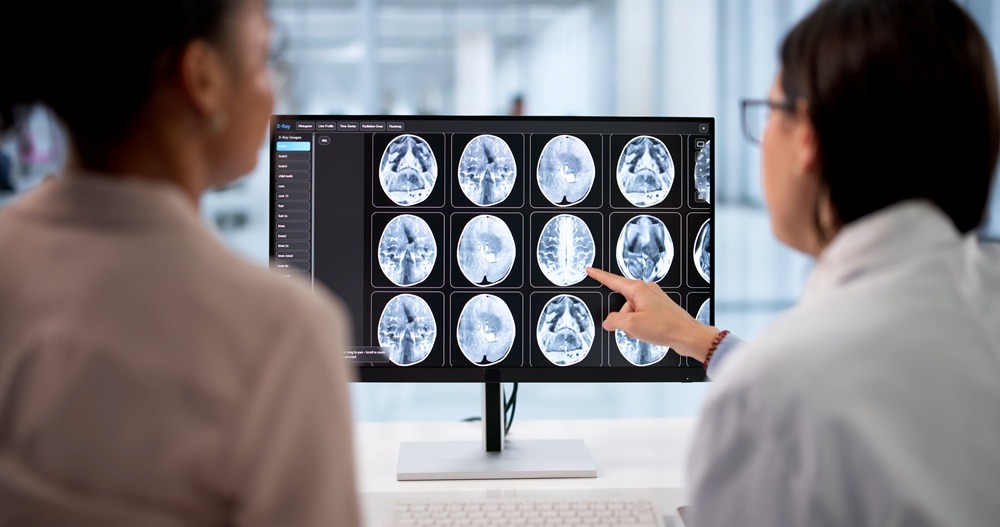
Before a craniotomy begins, the surgical team confirms the plan using recent brain imaging. This is usually an MRI or CT scan taken in the days before surgery. General anesthesia puts a person fully asleep for most craniotomies. A smaller group of cases use a technique that keeps someone awake for part of the operation. The scalp is shaved only near the incision, not the entire head. Modern technique needs far less exposed skin than older approaches did. A frame or pins may keep the head still once anesthesia takes effect. This keeps the surgical field steady down to the millimeter.
What Actually Happens During the Surgery
Once someone is asleep and settled in place, the surgeon marks the section of skull to remove. This mark follows the imaging taken before surgery. A specialized saw cuts a bone flap free along that line. The flap lifts away to expose the tough outer covering of the brain, called the dura. The surgeon then opens the dura and treats whatever is causing the problem underneath. That could be a tumor, a bleed, or a damaged blood vessel. Once the work is done, the surgeon closes the dura again. The bone flap goes back into its original position and is fixed with small plates or sutures. The scalp is closed last, in layers.
How Long Does a Craniotomy Take?
A craniotomy can run anywhere from two hours to well over six. Total time depends on what the surgeon is treating and how deep that area is. A tumor near the brain’s surface generally takes less time than one wrapped around blood vessels deep inside the skull. Recovery from anesthesia typically adds another hour or two before anyone is fully awake.
Awake Craniotomy: When Someone Stays Conscious During Surgery
Some craniotomies call for a person to stay awake for part of the procedure. This usually happens when a tumor sits close to the areas that control speech or movement. Local anesthesia numbs the scalp and skull. The brain tissue itself feels nothing, since it has no pain receptors of its own. It’s easy to have questions on why awake mapping asks a person to speak, count, or move a limb. Those responses show the surgeon in real time which brain regions are safe to touch. Staying briefly awake during a craniotomy sounds more unsettling than it feels. Sedation and numbing keep the experience comfortable throughout.
Craniotomy vs Craniectomy: What Is the Difference
A craniotomy and a craniectomy sound alike but end differently. In a craniotomy, the surgeon replaces the bone flap right after the procedure. The skull closes back up the same day. In a craniectomy, the bone flap stays out for a period of time, sometimes for weeks. This lets the brain swell safely when pressure inside the skull runs dangerously high.
The bone is typically stored or frozen and replaced later, once the swelling has gone down. Mayo Clinic links this waiting period to keeping the brain safe in the days right after a severe injury.
Recovering After a Craniotomy
Most hospital stays after a craniotomy run from three to seven days. That length changes based on age, overall health, and what the surgery treated. Swelling and mild confusion in the first day or two are common. These symptoms usually clear as the brain settles from the trauma of surgery.
When reading post-op gudiance you may see restrictions on lifting, bending, and water exposure for six weeks after surgery. These rules protect the incision and the healing bone flap. Following them closely lowers the odds of a wound problem. It also reduces the chance of a setback that delays healing.
Possible Risks of a Craniotomy
Like any brain surgery, a craniotomy comes with real risks. Cleveland Clinic lists infection, bleeding, swelling, and changes to speech, vision, or movement among the most common ones. The risk depends on which part of the brain was involved. Seizures can also occur in the weeks following surgery, even in people who never had one before.
A skilled surgical team and careful monitoring lower these risks substantially. Still, no team can remove them completely. Anyone facing this surgery deserves a clear explanation of the risks tied to their own case.
When It Is Time to Talk to a Neurosurgeon
A craniotomy is rarely the first step in treating a brain condition. Imaging, a full neurological exam, and a review of less invasive options usually come first. Some tumor types call for this same craniotomy pathway, including an ependymoma that forms near the base of the brain. A second opinion is always reasonable before committing to any brain surgery.
Frequently Asked Questions
Is a Craniotomy the Same as Brain Surgery?
A craniotomy is one particular type of brain surgery. It describes opening and later closing the skull. The actual treatment underneath still varies. It might mean removing a tumor, clipping an aneurysm, or draining a bleed.
How Painful Is Recovery After a Craniotomy?
Pain after a craniotomy usually concentrates around the incision. It usually feels more like a bruise than the deep ache from surgeries near muscle or bone. Headaches, scalp tightness, and mild swelling are common for the first week or two. Prescribed medication manages most of it well.
So, What Is a Craniotomy in the End?
A craniotomy opens a section of the skull. This lets a surgeon reach and treat a problem inside the brain. The bone goes back into place once the work is finished. The procedure treats tumors, bleeding, aneurysms, and severe head trauma. It can run from two hours to well over six, depending on what it addresses.
Recovery generally spans several days in the hospital, followed by weeks of restricted activity at home. A full return to normal routines typically takes a few months. Anyone facing this surgery benefits from a clear walk-through of what the day involves. That clarity can turn dread into confidence going in.
Sources
Craniotomy – Mayo Clinic, 2026
Craniotomy: What It Is, Procedure, Recovery and Risks – Cleveland Clinic, 2026