
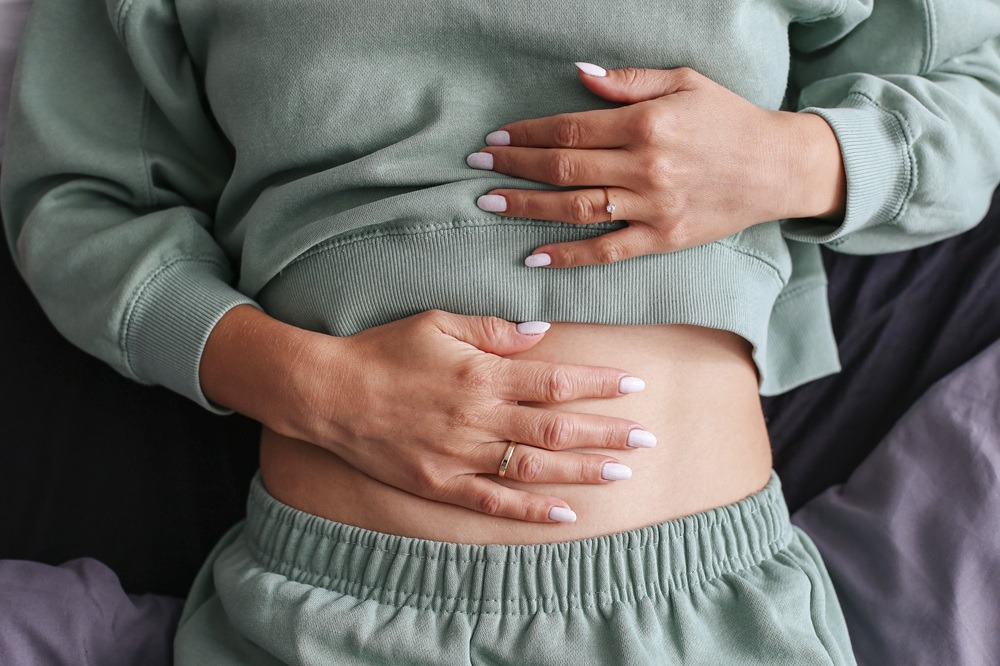
Feeling tight or overly full after a meal can be frustrating, especially when the meal looked normal on the plate. Repeated pressure can also make someone second-guess foods that never caused trouble before. Recording meal timing and bowel changes can make bloating after eating easier to trace. A doctor can use the timing to decide what to ask about first.
Quick Answer: Why Does Bloating After Eating Happen?
Gas can build when someone swallows air or when gut bacteria break down carbs the small intestine did not fully digest. A doctor may add lab testing when a health history or exam raises a question for blood work. The National Institute of Diabetes and Digestive and Kidney Diseases says swallowed air and gut bacteria can add gas. Constipation and trouble digesting some carbs can cause similar symptoms. Meal timing and bowel habits can help a doctor separate swallowed air from gas made later in the bowel.
A doctor may consider food intolerance when symptoms repeatedly follow the same ingredient. Constipation can also cause repeated bloating after eating. Some people do not absorb lactose or fructose well, so more of those carbohydrates reach bacteria in the colon.
Why Bloating After Eating Can Feel Different on Two Days
A large meal stretches the stomach and can make fullness easier to notice. Fizzy drinks add gas before the body has started processing much of the meal. Two meals with similar foods can still feel different. Portion size, drink choice, or bowel activity may have changed between the meals.
Some carbs reach the colon before the small intestine finishes digestion. Bacteria then break those carbohydrates down and make gas. Pressure may appear hours after a meal. A record should include earlier meals as well as the meal closest to the pressure. Lunch can still belong in the timeline when pressure does not appear until after dinner.
Constipation can make post-meal pressure stronger because stool and gas move more slowly. Someone can still pass some stool and feel backed up between bowel movements. Hard stool, straining, or a feeling of incomplete emptying can add context for a doctor. A new meal adds more food to a gut that is already moving slowly. Fullness may become stronger later in the day.
Cutting several foods at once can make the pattern harder to trace and leave meals short on needed nutrients. A dietitian can use a short meal record during nutrition support to compare portions, meal pace, and foods with symptoms. If someone has already removed several foods, a dietitian can also check protein, fiber, and overall intake.
How a Rushed or Larger Meal Can Add Pressure
Someone may finish a rushed meal in ten minutes with a fizzy drink beside the plate. Pressure can start before the person has moved on to the next task. NIDDK lists fast eating and fizzy drinks among habits that can increase gas symptoms. A meal note can place eating pace and drink choice beside the time the pressure began.
Belching soon after a rushed meal can give a doctor a clue about swallowed air. Pressure that starts hours later adds another timing clue because gut bacteria make gas farther down the bowel. A meal record can include when pressure began and whether belching came first.
Portion size can confuse a suspected food cause. Someone may feel fine after a small serving and much fuller after a larger serving of the same food. Recording rough portion size on both days gives a doctor another detail to compare with symptom timing. Bowel movement timing on the same days gives a doctor another point to compare.
Someone can track eating pace for several meals without changing the foods. If pressure eases after slower meals, swallowed air may contribute to the pressure. Symptoms that stay unchanged give a doctor a reason to look beyond meal pace. A meal record preserves which meal changes someone tried and what happened afterward.
When Bloating After Eating Needs a Medical Workup
Bloating that disrupts meals, sleep, or daily tasks is a reason to call a doctor. A sudden change in a familiar pattern is another reason to call. NIDDK advises a doctor visit when gas symptoms become bothersome or change suddenly. Pain or weight loss without trying are also reasons to call. A short note can record which symptom appeared first and whether the pressure is getting worse.
Severe pain can justify a call before a week of notes is complete. Cleveland Clinic advises a doctor visit when bloating after eating lasts more than a week or becomes very painful. Fever, vomiting, bleeding, weakness, or weight loss without trying also warrant a call.
A doctor may begin by asking when the bloating started and how soon pressure follows a meal. During a comprehensive assessment, a doctor can review bowel habits, medicines, supplements, and past health problems. Period timing may belong in a health history as well. Hormone changes can affect fluid levels and movement through the gut. A recent medicine or supplement change can help set the timeline.
With frequent symptoms, a doctor may ask whether bloating follows every meal or only larger meals. Food timing may add another clue. Bowel changes, pain, or vomiting can guide a physical exam. A doctor can then decide whether blood work, imaging, or another test could confirm a suspected cause. When the first exam suggests a meal or bowel pattern, a doctor may ask for more symptom notes before ordering testing.
A doctor may use a hydrogen breath test when some carbs are hard to digest. Cleveland Clinic lists hydrogen breath testing as a test a doctor may use for bloating. A doctor can compare the result with food history and symptom timing. A meal record shows what someone ate before the pressure began.
Hormone timing can add another clue. Bloating around a period may overlap with gut symptoms. Estrogen and progesterone can affect fluid levels and bowel movement. Cleveland Clinic also notes that perimenopause can bring hormone changes linked with bloating. Recording cycle day beside meal timing can show whether pressure rises during the same part of the month.
When the Pattern Still Does Not Make Sense
Why Can Bloating Feel Strong Without Visible Swelling?
Strong bloating can occur without visible swelling. NIDDK cites research showing that only about half of people who report bloating also have visible distention. A symptom record can list pressure and visible swelling in separate fields, giving a doctor two details to compare.
Can Fizzy Drinks Cause Bloating Without a Food Intolerance?
Yes. Carbonation adds gas to the gut, so fizzy drinks can cause bloating without a food intolerance. A doctor can compare entries after fizzy drinks with entries from meals that use still drinks.
Can Bloating Happen Without Extra Gas?
Bloating can occur without extra gas. Cleveland Clinic notes that constipation and fluid can also contribute to bloating. Recording whether pressure changes after passing gas or a bowel movement gives a doctor another clue.
A Week of Notes Puts Meal and Bowel Timing Side by Side
Each entry can start with meal time, rough portion size, and meal pace. A second line can add when the pressure began, bowel movement timing, and any warning symptom. At an appointment, a doctor can compare days and look for repeatable timing before deciding what needs a closer look. A note can read, “large dinner, ate fast, pressure at 20 minutes,” and give a doctor an event to compare across the week.
Sources