A period that used to show up like clockwork suddenly does not. Sleep gets lighter, and it gets harder to fall into. Weight settles around the middle with no real change in eating. When learning how to holistic hormone balance your body, someone looks at all of this together. Finding an answer does not meaning chasing one number on a lab report.
What Hormone Imbalance Looks Like Day to Day
Hormone imbalance rarely announces itself with one clear symptom. It shows up as a cluster of smaller things. Fatigue that sleep does not fix is common, and so are new skin breakouts. Mood swings that feel bigger than the moment calls for round out the pattern.
Cravings can change too. Sugar or salt can pull at times that used to feel steady. Hair can thin slowly, so slowly it takes a while to notice. None of these alone point clearly to hormones. That is part of why the pattern goes unnoticed for years.
Holistic Hormone Balance Starts With the Basics
Sleep, food, and stress form the foundation of holistic hormone balance. Anything more targeted comes later. Hormones are made and cleared on a schedule tied closely to sleep. A few months of poor sleep can throw that schedule off. This can happen well before any hormone test looks abnormal.
Blood sugar swings play a bigger role than people assume. Skipping meals pushes insulin around, and so does loading up on refined carbs. Insulin swings pull other hormones along with them. A first look at any of this usually starts with daily habits, before it moves toward a broader health consultation. Steady basics come before supplements or special testing, and a written log of sleep and meals for even one week can make the pattern easier to spot.
Foods and Habits That Support Holistic Hormone Balance
Protein at breakfast does more than people assume. It slows the blood sugar spike a carb-only breakfast causes. Healthy fats count too. Olive oil, avocado, and fatty fish give the body raw material to build hormones from.
Strength training a few times a week helps in a way cardio alone does not. Much of that comes down to insulin sensitivity. Sleep and wake times count almost as much as total hours slept. Going to bed at a different time every night makes it harder for the body to regulate hunger and stress hormones.
Common Causes of Hormone Imbalance
Age-related changes are the most common cause, and perimenopause is one of the clearest examples. Many of the symptoms covered here overlap directly with the hormone changes that come with it. Age-related change is far from the only cause, though.
Thyroid conditions do too, whether under active or overactive, and both can look surprisingly similar on the surface despite pulling the body in opposite directions. Even a modest weight change, gained or lost quickly, can throw hormone signals off for a stretch afterward. Pregnancy and the months right after it bring some of the largest hormone swings a body goes through. Some of that settles on its own within a year. Symptoms that linger well past that point deserve a mention at a checkup rather than an assumption that they will fade with more time.
Stress and Sleep as Hidden Drivers
Long stretches of high stress keep cortisol high. High cortisol interferes with the hormones that regulate hunger, sleep, and mood. Poor sleep works the same way in reverse. Cortisol often rises when the body has not rested enough to reset it.
Some medications change hormone levels too. A doctor can explain whether that applies to a certain prescription. Birth control is one common example to bring up directly.
Supplements and IV Therapy for Hormone Support
Vitamin D, magnesium, and omega-3s come up most often. Deficiencies in all three are common, and each plays a direct role in hormone production. A doctor should confirm a real shortage first, since more is not automatically better.
Checking a professional supplement dispensary can help with quality once that shortage is confirmed. Cheap versions of these three are common, and not all of them absorb well. A basic blood panel usually shows which one to prioritize first.
IV therapy sends nutrients straight into the bloodstream. That can help someone catch up faster than oral supplements alone. It works best alongside daily habits, not instead of them. Someone with a confirmed, severe shortage often notices the difference sooner this way.
How Holistic Hormone Balance Differs From Hormone Replacement Therapy
Hormone replacement therapy replaces one hormone directly. That is usually estrogen, progesterone, or testosterone, at a set dose. Holistic hormone balance works differently. It supports the body’s own production and clearance of hormones, through food, sleep, movement, and stress.
A practice built around combining conventional training with natural support often recommends both together. Neither one has to rule the other out. Someone can start with either approach and add the other later if symptoms do not fully resolve.
The two are not competing choices in most cases. Someone on hormone replacement therapy can still benefit from steadier sleep. Better blood sugar control helps too. Those basics change how well the body responds to treatment, not just how someone feels.
When to See a Doctor About Hormone Symptoms
Unusually heavy bleeding calls for a doctor visit. So do periods that stop for months without pregnancy. Sudden, severe mood changes belong on that list too. The same goes for unexplained weight loss or a resting heart rate that stays too fast or too slow.
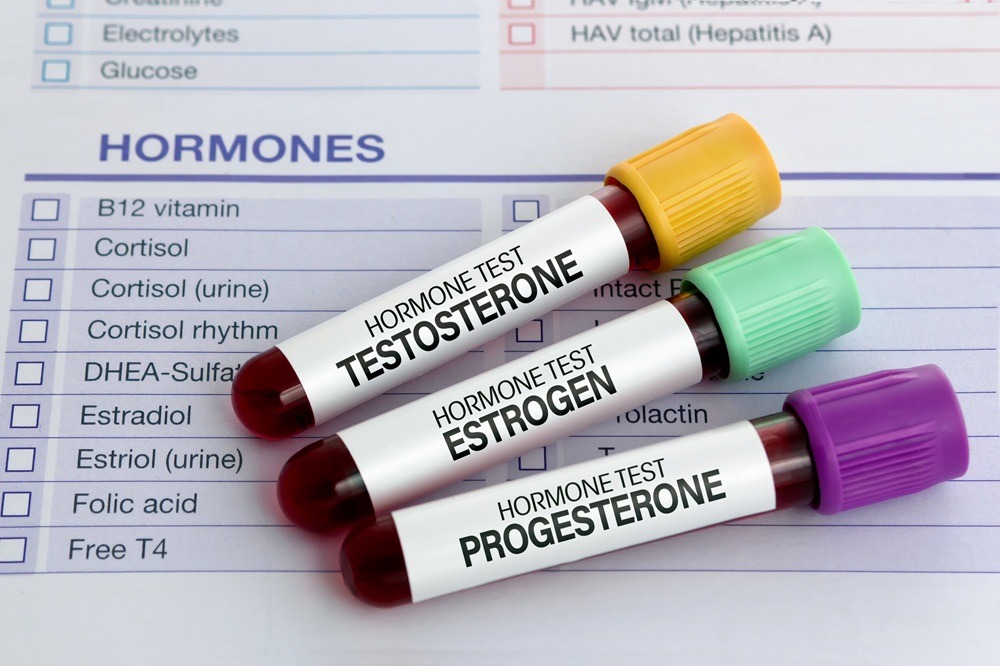
Basic blood work can rule out thyroid problems fairly quickly, along with a handful of other common causes. A fuller hormone panel makes sense if labs come back normal but symptoms continue. Bringing a symptom log to that appointment often speeds things up.
Frequently Asked Questions About Hormone Balance
How long does it take to notice a difference?
Sleep and mood often improve within two to four weeks of steadier habits. Weight and skin changes can take two to three months. Hormone levels change on their own timeline. Consistency does not speed up every part of it evenly.
Can hormone imbalance cause weight gain on its own?
Yes, particularly with thyroid and insulin-related imbalances. It rarely explains a large weight change by itself, though. Cleveland Clinic notes that untreated thyroid conditions can change weight by ten to twenty pounds, even with no change in diet or activity. Other factors, like age and activity level, are almost always involved too.
Should you get hormone testing without symptoms?
Routine testing without symptoms is not usually recommended. Normal hormone levels vary a lot between people, and even by time of day. Progesterone and estrogen levels also depend heavily on where someone is in their monthly cycle, so a test drawn on day three can look very different from one drawn on day twenty-one in the same healthy person. Testing works better once symptoms are already present to guide what to check and when.
Holistic Hormone Balance: Getting Started
Starting with one or two changes usually works better than overhauling sleep, food, and stress all at once. A single bedtime, kept steady for two weeks, often reveals more than a full overhaul attempted and dropped within days. Small changes that stick beat ambitious ones that do not.
A first visit for this kind of care usually starts with a detailed health history. From there, staff typically walk through a full intake and symptom review to sort out which basics need attention first. Testing and any targeted support get added after that, based on what shows up in the blood work, not a guess made ahead of time.
Sources