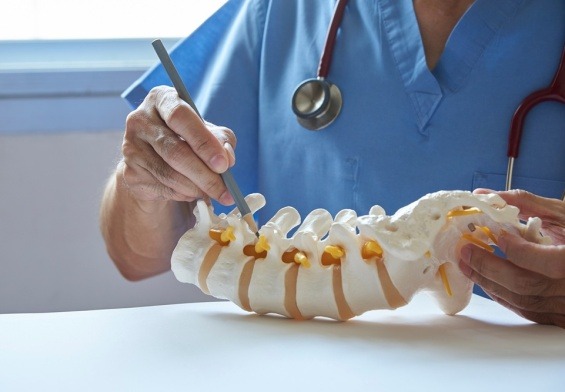

If you’ve been limping through your day thinking, “It’s just normal back pain, I’ll be fine,” you’re in big (and very common) company. Low back pain affects up to 80% of people at some point in their lives, and an estimated 540 million people worldwide are dealing with it right now.
Yet many of them do exactly what you’re doing: push through the pain and hope it goes away on its own. The problem? That “I’ll tough it out” mindset can quietly shrink your world. You start walking less, avoiding long drives or flights, skipping social events, and planning your day around what your back and legs will tolerate. Your pain isn’t just an ache anymore — it’s making decisions for you.
The good news is, this isn’t a one-way street. Getting your symptoms checked by a spine specialist early doesn’t mean you’re signing up for surgery. It means you’re giving yourself the best chance to protect your nerves, preserve your mobility, and stay independent before any damage becomes permanent.
You don’t have to decide on surgery. But you do need a clear diagnosis and a plan.
The Real-Life Costs of Ignoring Back and Leg Pain
You might think you’re being “tough” by ignoring pain. But your body pays the price in ways that build up over time.
1. Physical damage you don’t see right away
Back and leg pain often means a nerve in your spine is irritated or squeezed. Over time, this can lead to:
- Worsening nerve irritation – pain that goes from “off and on” to constant.
- Numbness and tingling in your leg, foot, or toes.
- Muscle weakness – trouble climbing stairs, lifting your foot, or keeping your balance.
If your pain travels down the back of your leg, you may be dealing with sciatica. That’s usually a sign of nerve pressure, not “just a muscle strain.”
2. Lifestyle and emotional fallout
Pain doesn’t stay in one box. It spills into everything:
- You start saying no to walks, trips, and family outings.
- And, You sleep less because you can’t get comfortable.
- You feel more tired, frustrated, or short-tempered.
Over time, many people begin to feel older than they are. They stop planning things “just in case” their back acts up. That quiet fear can be as limiting as the pain itself.
3. Work and money stress
Ignoring pain can also show up at work:
- You take more breaks or sick days.
- And, You avoid certain tasks because they’re physically hard.
- You burn money on quick fixes that don’t solve the cause.
No one chooses this on purpose. It just sneaks up while you keep telling yourself: “I’ll deal with it later.”
“Push Through It” vs “Get Checked Early”: How the Outcomes Differ
Here’s a simple side-by-side view you can include to keep the blog visually engaging:
| Approach | Short-Term Mindset | What Usually Happens Over Time | Long-Term Impact on Mobility |
| Pushing Through Pain | “It’s just age. I’ll be fine.” | Pain slowly worsens, nerve irritation may increase, activity level drops. | Higher risk of permanent nerve changes, weaker muscles, smaller daily life. |
| Getting Checked Early | “I want to know what’s going on.” | Clear diagnosis, non-surgical options tried sooner, better monitoring. | Better chance to protect nerves, stay active, and avoid more complex surgery later. |
This kind of table makes the “hidden cost” idea very clear without being scary or overly medical.
When Back and Leg Pain Is More Than “Just Getting Older”
Some stiffness with age is normal. But certain symptoms are big red flags.
Red-flag symptoms you shouldn’t ignore
You should seek medical help promptly if you have:
- Pain that shoots down your leg, especially below the knee.
- Numbness, tingling, or burning in your leg, foot, or toes.
- Weakness – your leg feels heavy, your foot drags, or stairs are suddenly hard.
- Changes in bladder or bowel control – this is urgent and needs emergency care.
These signs often mean a nerve is under significant pressure. Waiting weeks or months can reduce the chance of full recovery.
Pain patterns that suggest a spine issue
You may have a spine-related problem if:
- Walking or standing makes pain worse, but sitting or bending forward helps.
- Pain wakes you at night and doesn’t ease with shifting positions.
- Pain has stuck around for more than 6–8 weeks despite rest, stretching, or basic meds.
What a Spine Surgeon Actually Does at the First Visit
Many people avoid spine surgeons because they picture an instant surgery recommendation. In reality, that first visit is about information, not pressure.
A careful evaluation, not a rush to the OR
During a first consultation, a spine surgeon will typically:
- Ask detailed questions about your pain history and daily limits.
- Do a physical and neurologic exam to check strength, reflexes, and sensation.
- Review existing imaging, or order X-rays/MRI if needed.
The real goal: understand why you’re in pain and how serious it is.
Non-surgical options usually come first
Even though they are surgeons, many spine specialists start with:
- Physical therapy to build core and back strength.
- Posture and activity changes that reduce pressure on the spine.
- Medication for inflammation and pain.
- Injections in selected cases to calm irritated nerves.
When Surgery Becomes the Best Way to Protect Your Mobility
Sometimes, non-surgical care isn’t enough. That doesn’t mean you did something wrong. It just means the problem is too advanced or too severe for therapy alone.
Common reasons surgery is recommended
A spine surgeon may recommend surgery if you have:
- Progressive weakness in the leg or foot.
- Severe spinal stenosis that limits walking to short distances.
- A large disc herniation that isn’t improving with time and treatment.
- Pain that is truly life-limiting despite months of proper care.
In these cases, the goal is clear: relieve nerve pressure and protect function so you can stay as mobile and independent as possible.
How modern spine surgery has changed
Spine surgery today looks very different from the horror stories many people have heard:
- Many procedures use minimally invasive techniques with small incisions.
- Hospital stays are often shorter, and some patients go home the same day.
- Recovery can be smoother when muscles and tissues are spared as much as possible.
This section is a good spot to briefly mention that asking questions and understanding the plan can reduce fear and help patients feel in control.
Turning “I’ll Just Push Through It” into “I’m Glad I Asked for Help”
People who finally seek help for back and leg pain often say:
“I didn’t realize how much I’d given up until I started getting my life back.”
If your pain is dictating what you can and can’t do, that’s your sign:
- Don’t ignore sciatica, numbness, or weakness and hope they vanish.
- Notice how your pain affects walking, sleep, work, and mood.
- Talk to your doctor about whether a spine surgeon evaluation is right for you.
You’re not “weak” for asking for help. You’re protecting your future self — the one who still wants to walk, travel, work, and enjoy time with the people you love.
Key Takeaways
- Back and leg pain have hidden costs. Ignoring symptoms can quietly steal mobility, independence, and quality of life.
- Certain symptoms are red flags. Shooting leg pain, numbness, weakness, or bladder/bowel changes should never be ignored.
- Seeing a spine surgeon early doesn’t mean automatic surgery. It means getting a clear diagnosis and trying the right treatments at the right time.
- Non-surgical options are common. Physical therapy, medication, and injections are often tried before surgery.
- When surgery is needed, it’s usually to protect function. Modern techniques focus on relieving nerve pressure and keeping you active, not putting you on the sidelines.
If you’ve been “pushing through” pain for weeks or months, your body is sending you a message. Listening to it now can make the difference between slowly shrinking your life — and getting back to living it.
Reference Links:
- World Health Organization – Low Back Pain Fact Sheet (2023)
-
- URL: https://www.who.int/news-room/fact-sheets/detail/low-back-pain
- Ferreira et al., The Lancet Rheumatology – “Global, regional, and national burden of low back pain, 1990–2020” (2023)
-
- URL: https://www.thelancet.com/journals/lanrhe/article/PIIS2665-9913(23)00098-X/fulltext
- The Lancet – “The global epidemic of low back pain” (2023 editorial)
-
- URL: https://www.thelancet.com/journals/lanrhe/article/PIIS2665-9913(23)00133-9/fulltext
- International Association for the Study of Pain (IASP) – “The Global Burden of Low Back Pain” Fact Sheet
-
- URL: https://www.iasp-pain.org/resources/fact-sheets/the-global-burden-of-low-back-pain/
- World Spine Day – “The Global Burden of Spinal Disorders”
- URL: https://www.worldspineday.org/the-global-burden-of-spinal-disorders/