
A slipped disc, also known as a herniated disc, is a prevalent condition that can cause significant back pain and…

A slipped disc, also known as a herniated disc, is a prevalent condition that can cause significant back pain and…
Understanding Facet Arthrosis: A Guide to Spinal Health Facet arthrosis, also known as facet joint arthritis, poses a significant challenge…
Lumbar laminectomy, a surgical procedure designed to alleviate back pain and discomfort caused by spinal stenosis, has emerged as a…

In today’s fast-paced world, back pain has emerged as a common ailment affecting individuals of all ages, such as the…

Back pain is a prevalent issue that affects individuals of all ages, but it holds particular significance in the realm…
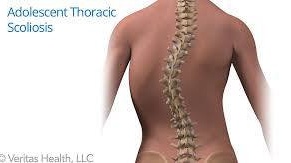
We’ve all seen the pictures of the hunched-over elderly person who has to walk with a cane. It’s one of the first things that come to mind when we think of older folks’ ailments… back problems. But is back pain a normal sign of aging? Does it really have to be this way? Must we suffer with back problems, medical conditions of the spine, and back pain, just because we’re headed toward our senior years? The answer is an unequivocal ‘Absolutely not! Back pain is not an inevitable, unavoidable part of getting older. In fact, many people throughout the country find that ‘aging gracefully’ includes aging without having to suffer with it.

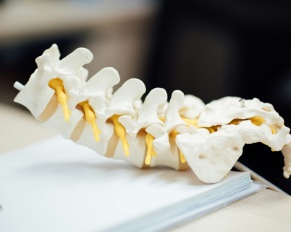
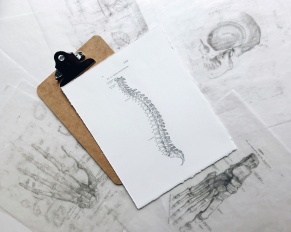
Back pain affects up to 8 in 10 people at some point during their lifetime. Back pain is common in part because the spine is central to many of our daily activities, whether strenuous or not. The spine consists of 24 interlocking vertebrae, which are divided into three types: cervical, thoracic, and lumbar. Fibrous ligaments, discs, and muscles connect these bones, allowing for a combination of stability and flexibility to allow us to perform a variety of daily activities.
While we typically think of sitting as a restful activity, prolonged periods of sitting can lead to chronic back pain. Today’s lifestyles often involve significantly more time spent sitting than in previous decades. We all can enjoy the modern luxuries of being able to watch TV, browse the Internet, or order in a precooked meal at the end of a long day of work. However, for many of us, that long day of work involves sitting at a desk, so we go from sitting at work to sitting at home. It has become increasingly recognized that spending many hours planted in a seat is actually detrimental to one’s health. While a brief period of sitting is natural, long periods of sitting typically place the spine and pelvis in an unnatural position for an extended time, leading to low back pain among other issues.

 Mild back pain can be a nuisance. It turns everyday tasks into painful challenges. Walking, exercising, working and even sitting in a chair can cause unfathomable levels of discomfort. While seemingly counterintuitive, stretching actually plays a vital role in healing and alleviating back pain. During a period of chronic back pain, exercise is the last thing anyone wants to think about; but spine doctors indicate straightening and extending one’s body to its full length is exactly what the spine needs. It’s common knowledge that regular exercise is an essential component to the body’s overall health, yet many people seem to overlook stretching during their workout routine. But for individuals suffering from chronic back pain, stretching muscles can help alleviate discomfort in the spine, and even help prevent future occurrences of pain.

Individuals suffering from chronic back pain may begin to wonder if their outdated mattress contributes to their discomfort. The average human spends one-third of his or her life sleeping on a mattress; thus, one can safely assume that resting on the wrong mattress attributes to back pain to some extent. The only time muscles and ligaments in the spine can completely relax occurs during periods of slumber. So individuals with chronic back pain will greatly benefit from a good night’s sleep on an adequate mattress.
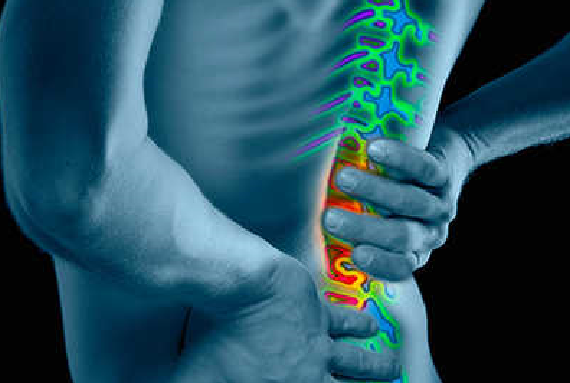
Nobody likes to be in pain especially when every move you make aggravates a sensitive lower back. With up to 80% of the community expected to experience back pain throughout their life, we should be thinking about back pain as more of a modern day health epidemic than just that old ‘pain in the back’. Supporting this line of argument are recent studies and reports that make the case for problems caused by back pain and the need for better pain management solutions.
‘The Global Burden of Disease Study’ by the World Health Organisation (WHO) labelled back pain a major cause of disability, affecting performance at work as well as overall levels of health and well being. The study also placed back pain amongst the top 10 conditions that contributed to ill health, disability or early death.