
What Families in New Jersey Need to Know
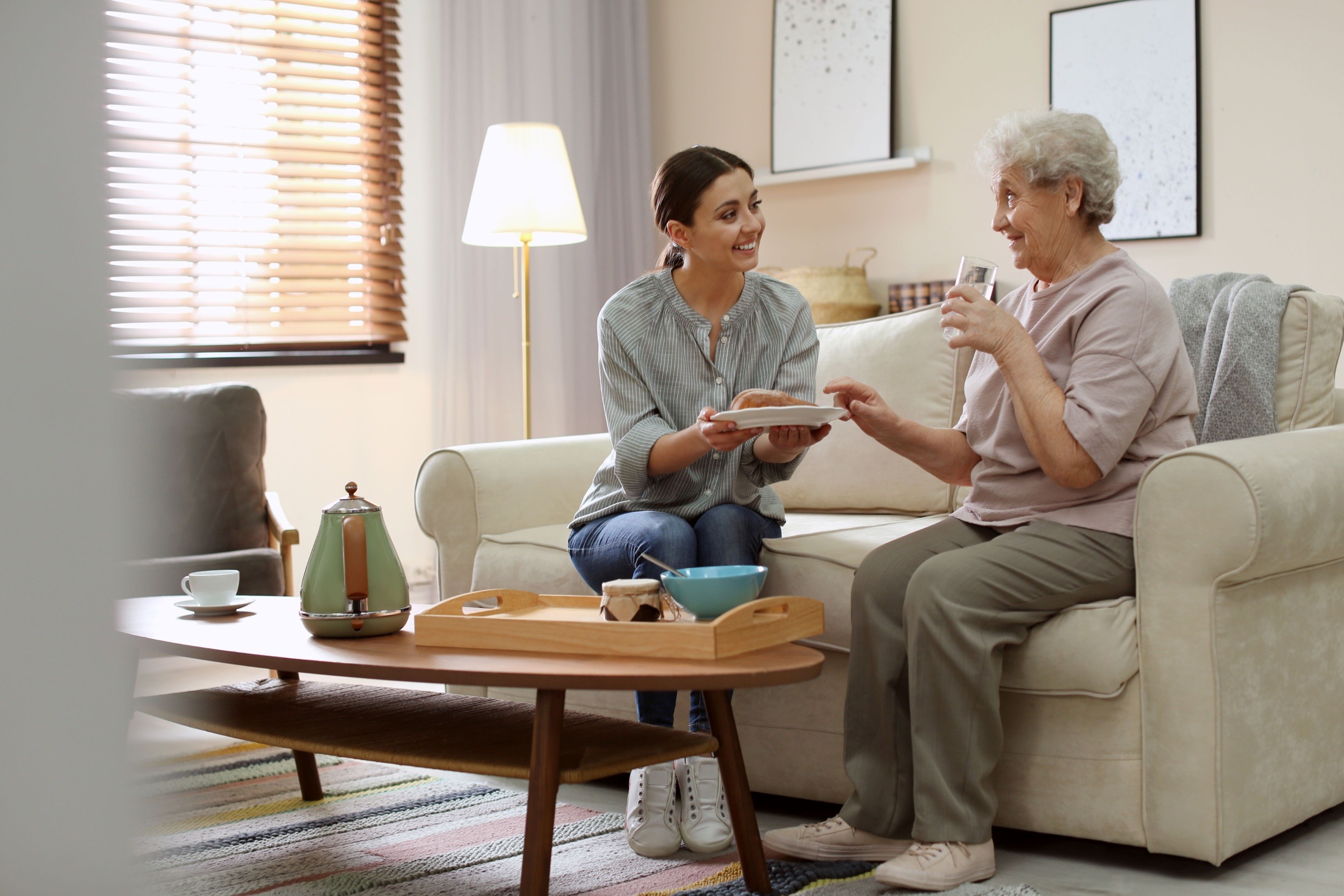
As loved ones grow older, families often face an important and emotional decision. How can seniors receive the care they need while maintaining dignity, comfort, and independence? For many years, traditional senior care options such as nursing homes and assisted living facilities were seen as the standard solution. Today, however, more families are choosing a different path. Aging in place has become a preferred option for seniors who want to remain in their own homes while receiving professional support.
This shift reflects changing expectations around senior care, improvements in home care services, and a growing awareness of how environment impacts physical and emotional well-being. Whether families are researching home care in Paramus, NJ, elder care in Passaic, NJ, or home care in Morris County, understanding the transition to aging in place is essential.
What Does Aging in Place Mean?
Aging in place refers to a senior continuing to live in their own home as they age rather than moving into a long-term care facility. Support services are customized based on individual needs and may include personal care, companionship, medical assistance, or specialized dementia care.
Families often rely on professional providers offering home care in Hackensack, NJ, home care in Morristown, NJ, or home care in Princeton, NJ, to ensure seniors can remain safe and comfortable at home.
Why Families Are Moving Away from Traditional Senior Care
Traditional senior care facilities offer structured environments and medical oversight, but they are not always the best fit for every individual. Many families have concerns about institutional care, especially when independence and quality of life are top priorities.
Some common challenges include limited personal attention, emotional stress related to relocation, lack of privacy, and high long-term costs. Seniors may also struggle with adjusting to new routines and unfamiliar surroundings.
In contrast, aging in place allows individuals to remain in a familiar environment while receiving one on one support. This approach often leads to greater emotional stability and a stronger sense of control.
Benefits of Aging in Place
Comfort and Familiarity
Remaining at home allows seniors to stay connected to their routines, memories, and personal belongings. Familiar surroundings can reduce anxiety and confusion, especially for individuals experiencing memory loss or early-stage dementia.
Personalized Care
With services like private in-home care in Wayne, NJ, or home care in Hamilton, NJ, seniors receive individualized attention based on their specific needs. Care plans can be adjusted as health conditions change.
Improved Emotional Well Being
Aging in place supports independence and autonomy, which can significantly improve mood and self-confidence. Seniors often feel more respected and empowered when they can make choices about their daily lives.
Family Involvement
Home based care makes it easier for family members to stay involved in care decisions while still receiving professional support. This shared approach can reduce stress and prevent caregiver burnout.
When Is the Right Time to Consider Aging in Place?
The transition to aging in place does not have to happen after a medical emergency. Early planning often leads to better outcomes and smoother transitions.
Signs that it may be time to explore home care options include difficulty with daily activities, missed medications, frequent falls, increased isolation, or noticeable changes in personal hygiene. Families often begin researching elder care “near me” or in-home care “near me” when these signs first appear.
Types of Home Care Services Available
Aging in place is flexible and can evolve over time. Services are designed to meet current needs while allowing room for growth.
Personal and Companion Care
These services include help with bathing, dressing, meal preparation, light housekeeping, transportation, and companionship. Many families use home care in New Jersey for these types of support.
Skilled and Specialized Care
Some seniors require additional medical oversight or condition specific care. This may include medication reminders, chronic disease management, post-surgery recovery support, or dementia care.
Combining different levels of care allows families to build a comprehensive plan that adapts as needs change.
Making the Home Safe for Aging in Place
Safety is a major consideration when transitioning away from traditional senior care. Fortunately, many risks can be reduced with simple home modifications.
Common improvements include installing grab bars in bathrooms, improving lighting, removing tripping hazards, adding nonslip flooring, and using medical alert systems. Professional caregivers often assist families in identifying safety concerns and recommending appropriate adjustments.
The Importance of Professional Home Care Providers
While family support is invaluable, professional caregivers provide training, consistency, and experience that families may not be able to offer alone. Local providers offering home care in Morristown, NJ, home care in Princeton, NJ, or home care in Wayne, NJ, understand community resources and healthcare networks.
Professional care also ensures continuity, provides backup support, and reduces stress on family caregivers. This balance allows families to focus on emotional connection rather than constant caregiving tasks.
Cost Comparison: Aging in Place Versus Traditional Senior Care
Cost is a significant factor for many families. In many cases, aging in place can be more affordable than assisted living or nursing home care, particularly when services are provided part time.
Options such as respite care or personal home care allow families to pay only for the services they need. This flexibility often results in better value and financial predictability.
Additional financial support may be available through long-term care insurance, veterans benefits, or state assistance programs. Planning ahead can help families maximize available resources.
Steps to Begin the Transition
Families considering aging in place should start with open and honest conversations. Understanding a loved one’s wishes is a critical first step. From there, assess current and future care needs, research local providers, and develop a flexible care plan.
Regular check ins and adjustments ensure the plan remains effective as circumstances evolve.
Final Thoughts
Transitioning from traditional senior care to aging in place is about more than convenience. It is about honoring independence, preserving dignity, and supporting long term well being.
With proper planning, professional support, and a safe home environment, aging in place can be a successful and fulfilling option. Whether families are searching for elder care in Passaic, NJ, home care in Paramus, NJ, or private in-home care in Wayne, NJ, starting the conversation early can make all the difference.
Aging in place allows seniors to remain where they feel most comfortable. At home, surrounded by familiarity, support, and respect.