Blood tests can find low glucose or changes in body salts. Either problem can provoke a seizure. A witness can describe movements, lost awareness, or confusion the person cannot recall. Doctors may also order an EEG to record brain activity.
What Can MRI for Seizures Show After a First Seizure?
An MRI gives doctors a close view of brain tissue. Doctors may find a brain tumor or old injury on the scan. MRI may also show damage from a past stroke. Doctors can compare the scan with the seizure history and exam.
Doctors may call a first event unprovoked when they find no clear cause such as low glucose. American Family Physician recommends an epilepsy-protocol MRI after a first unprovoked seizure. CT may come first in an ER if doctors need a fast check for bleeding, trauma, or another urgent brain problem.
Doctors may order MRI for seizures after a normal CT when they want a closer view of brain tissue. A normal CT can answer an urgent ER question. A later MRI can continue the first-seizure workup after doctors answer the emergency questions.
Why CT May Come Before MRI in the ER
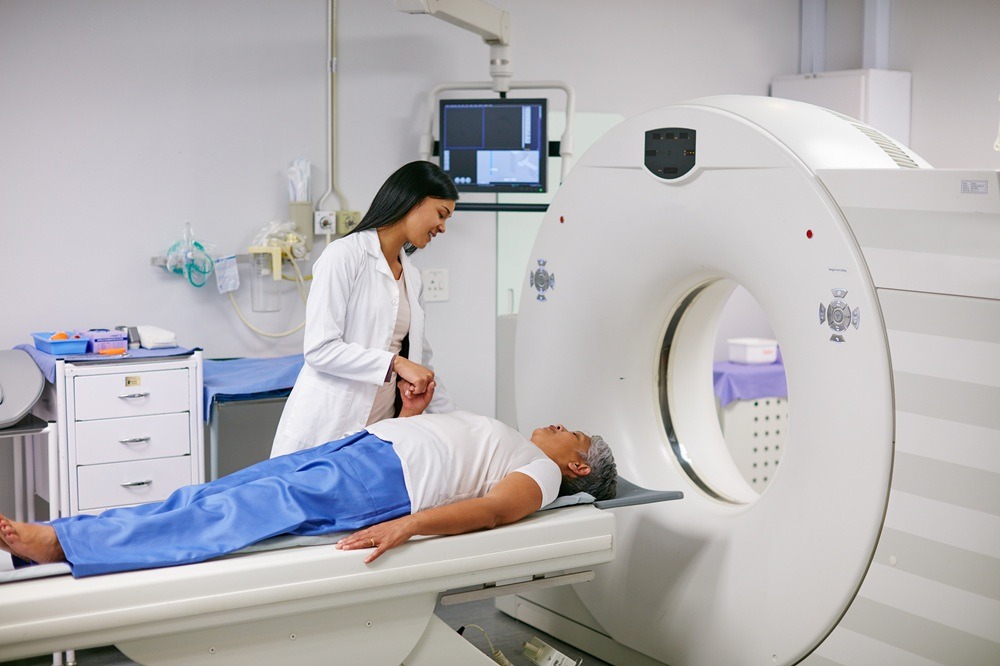
ER doctors may start with CT when they need a fast check for bleeding. CT can show a large stroke, bleeding, or an injury after head trauma. CT results can help doctors decide whether the person needs urgent hospital care. Results can also guide the next test before discharge.
For a new seizure unrelated to trauma, both CT and MRI can be valid first scans. According to the American College of Radiology, both scans are “Usually Appropriate.” Doctors choose the first scan based on the setting and the urgent question.
Doctors may still order MRI after a normal CT in the ER. A later study can look more closely at brain tissue or use an epilepsy protocol. Bringing the CT report and scan images to follow-up helps the doctor see what the ER study covered.
Recent head injury or new one-sided weakness can move CT earlier. AAFP guidance also lists fever, lasting headache, blood thinner use, cancer, and a weak immune system. After recent brain trauma, doctors may use CT to check for bleeding or swelling. Doctors can then decide whether to order another scan.
Seeing CT and MRI orders on the same discharge papers can be confusing. A doctor may explain why the ER team chose CT and why follow-up includes MRI. Writing a short reason beside each test can help a family keep the workup straight when several appointments need scheduling.
MRI for Seizures Can Reveal Structural Findings
A seizure may be the first sign of a brain problem. American Family Physician reports abnormal brain imaging in up to 30% of people after a first seizure. Some people had no known brain problem before the event. A new finding may lead to another scan or a specialist visit.
A scan report may use words such as lesion, mass, scar, or old injury. Each term describes what the radiologist saw. A lesion or mass on a report does not establish a diagnosis by itself. Doctors compare the location with the seizure type, exam, and symptoms.
If a report raises concern for a glial tumor, a neurologist may review glioma symptoms beside the MRI and exam. A person may report headaches, weakness, speech trouble, or changes in thinking. MRI also shows where a visible lesion sits and how large it appears.
If MRI shows a mass, a neurosurgeon may review its size and location. During planning treatment for a brain tumor, a neurosurgeon may use the scan to review the mass. Doctors may order another scan if the first study leaves a question about the mass.
An MRI finding can lead to a question about whether the area could cause seizures. A person can ask whether its location fits what happened during the event. Doctors may also explain whether the finding needs another scan or can stay on the record without more imaging.
Doctors reviewing MRI for seizures may compare the new study with any older brain scan. An older CT or MRI can show whether a scar or lesion was already present. When no prior study exists, the current MRI gives doctors a first scan for later comparison. Doctors can then decide when to repeat the scan.
What an Epilepsy-Protocol MRI Adds
An epilepsy protocol uses thin slices to look for small brain lesions. AAFP guidance says thin slices improve the chance of finding lesions linked with epilepsy. A doctor may order the seizure-focused study after a routine MRI. An earlier scan may have used a different image sequence or slice thickness.
An MRI report gives a doctor a structural view of the brain. EEG testing records brain activity during the test. A doctor can compare both results with witness notes and the medical history. Together, the scan, EEG, and witness notes can guide the next test or follow-up visit.
Someone who already had a standard MRI can ask whether it used an epilepsy protocol. Knowing whether the first scan used an epilepsy protocol may explain why the doctor ordered another MRI. Bringing the first scan report to follow-up helps the doctor compare both studies.
Questions Adults Ask After a First Seizure
Questions can pile up after an ER visit because a normal test result can sound final. Each test covers a separate part of the workup. Keeping the scan report beside the discharge papers can make the next visit easier to follow.
Can a Normal MRI Rule Out Epilepsy?
No. A normal MRI means the scan found no visible brain problem that explains the seizure. Doctors may still diagnose epilepsy from the seizure history, EEG, exam, and the chance of another seizure. At follow-up, a person can ask how the EEG and event history affect the diagnosis when the MRI is normal.
How Soon Do Doctors Order MRI for Seizures?
Doctors may arrange an epilepsy-protocol MRI soon after a first unprovoked seizure. AAFP guidance recommends MRI and EEG as soon as possible. A person who is medically stable may complete the scan after discharge. Urgent findings may lead doctors to image the brain during the ER visit.
What Should Someone Bring to Follow-Up?
At follow-up, a person can bring the discharge summary, medicine list, scan report, and scan images. A witness note can record what happened before and during the seizure. A witness note can also record how long confusion lasted afterward. Recent medicine changes, illness, alcohol or drug withdrawal, and prior head injury can help the doctor rebuild the timeline.
If the hospital gave access to images through a portal or disc, the person can keep that access with the report. A specialist may want to review the images directly. A specialist can review both the written report and the scan itself during the visit.
What to Write Beside the Scan Date
Before the next visit, a person can write the scan date at the top of a page. Three questions can sit under it: Did the MRI use an epilepsy protocol, did the scan show a brain finding tied to the seizure, and does the doctor want another scan or test? A family member who saw the seizure can add what happened just before the event and how long recovery took. During the visit, the doctor can compare the page with the scan, EEG, and other results.
Sources
American Family Physician, Evaluation After a First Seizure in Adults
American College of Radiology, Appropriateness Criteria: Seizures and Epilepsy