Plenty of adults would straighten their teeth if they didn’t have to wear metal brackets for the next two years. That’s the beauty of Invisalign, which offers exactly that: clear, removable aligner trays that gradually shift teeth into a new position without the visibility or daily friction of traditional braces.
What Invisalign Is and How the Aligners Work
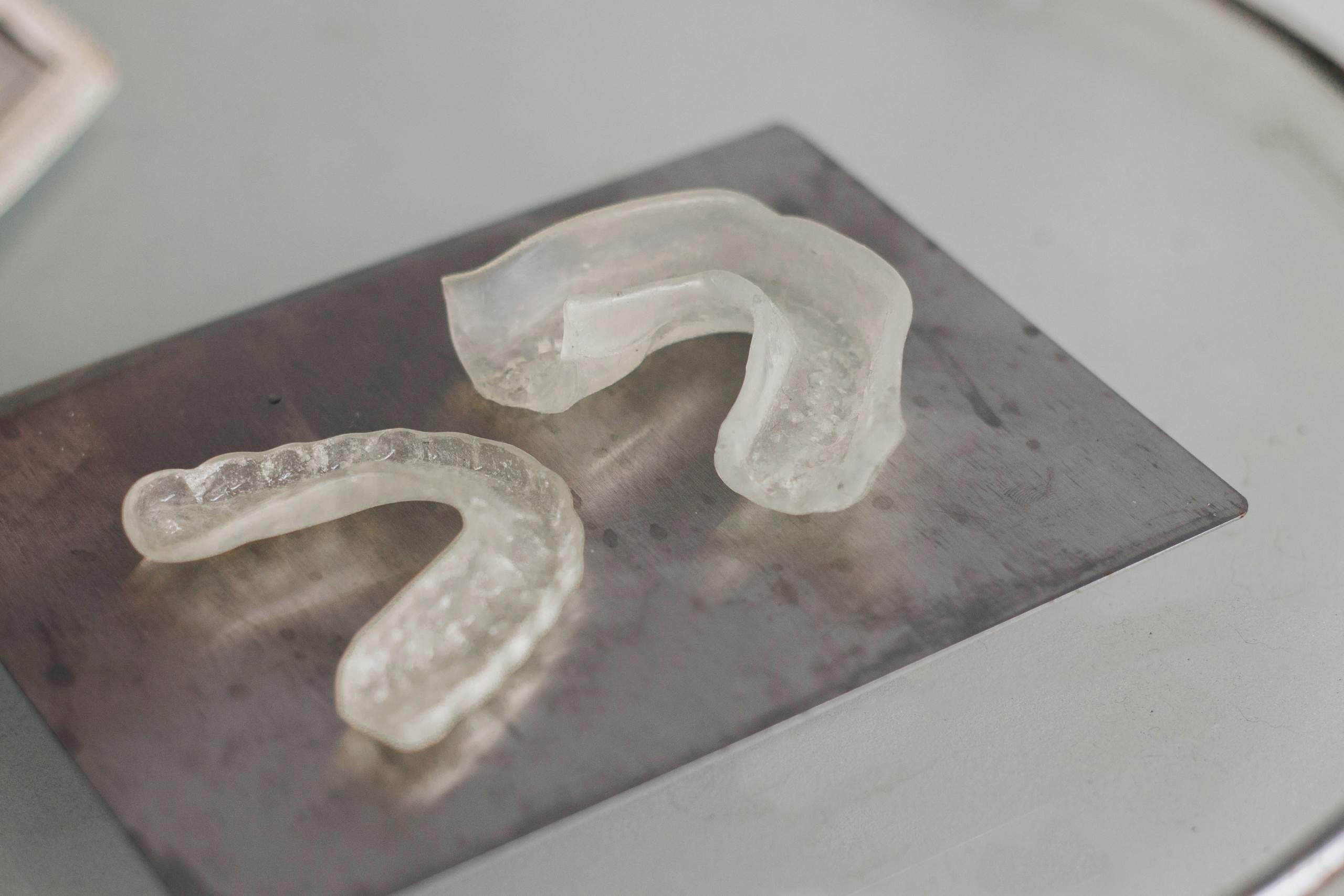
Invisalign aligners are made from SmartTrack, a flexible thermoplastic material designed to fit snugly over the teeth, per Healthline. The whole point, according to the American Association of Orthodontists, is to make orthodontic correction less conspicuous than traditional approaches.
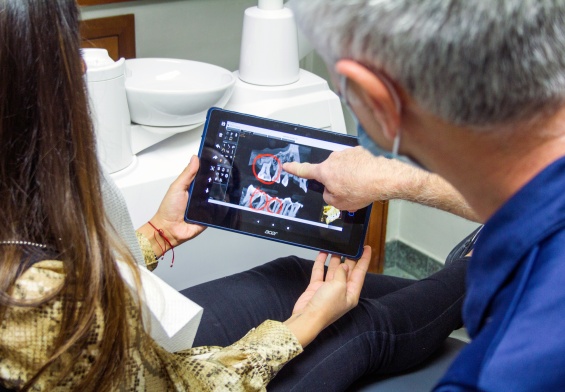
There are several steps to that process. First, a dentist takes digital impressions of the patient’s teeth. Next, the dentist uses those impressions to map out a treatment plan. Finally, they submit the impressions and their treatment plan to a lab that fabricates a custom series of trays.
Each tray is worn for approximately one to two weeks before switching to the next in the sequence. Each new tray moves the teeth a tiny bit further toward the planned final position.
Why Invisalign for Adults Is More Common Than You Might Think
People are never too old for orthodontics, according to Cleveland Clinic. Clear aligners are just as effective in adults as they are in minors, but they may take a little longer because adolescents have more malleable bone structures. Healthline references a study of 30 volunteers that found the rate of tooth movement actually increases slightly between the ages of 35 and 50, suggesting Invisalign may be particularly well-suited to that age range.
Invisalign’s removable nature also makes it easier for adults to fit into their lives. Trays can pop out for meals, professional settings, and photographs, adding an element of practicality most people overlook.
What Invisalign Can and Cannot Treat
Clear aligners correct crooked, crowded, gapped, and rotated teeth, as well as malocclusion, according to Cleveland Clinic. Healthline adds that Invisalign addresses mild to moderate crowding, spacing issues, and some bite problems, including certain types of overbite, underbite, and crossbite.
More severe bite issues, significant jaw misalignment, or highly complex overcrowding may require traditional braces or other orthodontic appliances. Determining where a specific case falls within that scope requires a dental evaluation.
Who Makes a Good Candidate
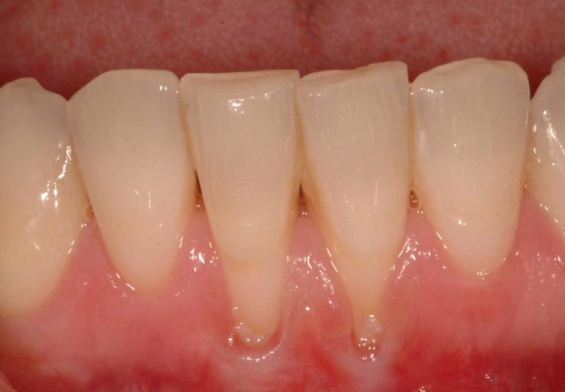
Getting Invisalign starts with a consultation that looks at the alignment issue and the patient’s oral health. That assessment identifies conditions that would interfere with an Invisalign treatment, like gingivitis or gum recession. Issues like these must be remedied by a dentist before placing any custom aligners over the teeth.
Beyond gum and tooth health, good candidates are adults with mild to moderate alignment issues who are genuinely prepared to wear the aligners as prescribed. That’s the hardest part for most people: compliance, because it’s more demanding than most people realize.
The Treatment Process
The Wearing Schedule and Compliance
Aligners must be worn 20 to 22 hours per day for treatment to stay on track. They are only removed for eating, drinking anything other than water, brushing, and flossing. Active Invisalign treatments also place a higher priority on good dental hygiene because the trays sit in direct contact with the teeth for most of every day. Anything on the tooth surface gets sealed in by the aligner.
The dentist monitors progress at regular check-ins and determines when to advance to the next tray set. That’ll take longer if the patient is not wearing the aligners for enough time. The teeth won’t move at the planned rate without consistent aligner contact.
How Long Does Invisalign for Adults Take?
Because adult bone is more settled than adolescent bone, the same correction can take a little longer for adults than for younger patients. Of course, case complexity and individual patient compliance also influence treatment duration.
Treatment for minor corrections can run a few months. More complex cases involving spacing or bite issues can take much longer. Only the treating dentist, after reviewing the diagnosis and the planned number of trays, can give an accurate timeline for a specific case.
The Retainer Stage
The most important part of any orthodontic treatment, Invisalign included, is wearing a retainer after completing the main treatment. Teeth naturally want to revert to their previous position, so the retainer is needed to hold them in place.
Retainers after Invisalign can be either removable or bonded directly to the back of the teeth, depending on the case. This isn’t optional, and skipping it will nullify months of hard-earned progress.
Starting Invisalign for Adults
The process begins with a consultation where the dentist takes impressions, maps out the correction, and assesses whether the case is within the scope of what aligners can address. A cosmetic dentist with Invisalign experience will also look at whether the planned correction creates a stable foundation for any other work being considered.
Some adults pursue Invisalign as part of a broader smile makeover, completing alignment first before any subsequent cosmetic procedures.
Frequently Asked Questions
Is Invisalign as effective as braces for adults?
Cleveland Clinic confirms adult clear aligners can be just as effective for adults as they are for younger patients. Treatment may take slightly longer because adult bone structure is more settled, but the clinical outcome can still be the same when the case is appropriate and the aligners are worn as directed.
Can I eat normally with Invisalign?
Yes. The aligners are removed for meals, which means there are no dietary restrictions the way there are with traditional brackets and wires. They go back in as soon as eating and cleaning are done.
Does Invisalign hurt?
Some discomfort is normal when switching to a new tray, as the teeth are being shifted to a new position. Most people describe it as pressure rather than sharp pain, and it typically eases within a day or two of each tray change.
What happens if I do not wear the aligners enough?
Treatment takes longer. The planned movement schedule depends on wearing the aligners 20 to 22 hours a day. Consistent gaps mean the teeth are not progressing on schedule, and the dentist may need to revisit the treatment plan.
How much does Invisalign cost for adults?
Cost varies by case complexity, the number of trays required, the practice, and geographic location. Many dental insurance plans include some orthodontic coverage that may apply to Invisalign. The consultation is the right place to get a treatment-specific estimate.
What Determines Whether Invisalign Works Well for Adults
Invisalign can work well for adults when the case fits what clear aligners are designed to correct.
The best outcomes start with a mouth that is healthy enough for treatment, which is why gum health, tooth decay, and recession are evaluated before aligners are made.
The treatment also depends heavily on daily habits. The trays have to stay in long enough to move the teeth as planned, and they have to be followed by a retainer once treatment ends.
None of this makes Invisalign complicated. It does mean the treatment only works when the clinical fit, oral health, wearing schedule, and retainer stage are all taken seriously.