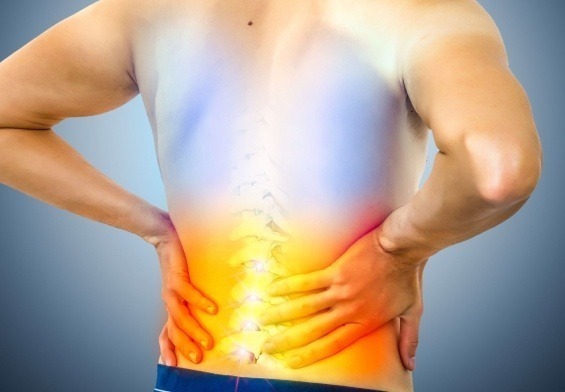

Pain in the low back and buttock that makes stairs or rolling over in bed miserable is easy to blame on a disc. The sacroiliac joint, where the spine meets the pelvis, can produce nearly the same pattern. Telling the two apart is one of the trickier jobs in pain management in Elizabeth, NJ. An SI joint injection is how doctors settle the question.
Why SI Joint Pain Is Easy to Mistake for a Disc Problem
The two SI joints sit on either side of the tailbone, just below the dimples of the lower back. They move only a few degrees, but they absorb the load of every step. Pregnancy, a hard fall onto the buttock, or a past lumbar fusion can each strain them.
Getting out of a car or standing on one leg to put on pants can bring a sharp catch near the buttock. Long stretches of sitting on one hip can leave the area aching by evening. Pain that eases when lying on the opposite side is another clue that the joint is involved.
SI joint pain usually sits below the belt line and can spread into the groin or thigh. It rarely travels below the knee. Because that overlap with sciatica is so common, doctors use an image-guided SI joint injection to confirm the source. Imaging alone falls short here, since X-rays and MRIs can look normal in a painful SI joint.
Age and other conditions play a part as well. Arthritis in the joint becomes more common after 50, and a leg length difference or a limp can load one side harder than the other. Inflammatory arthritis such as ankylosing spondylitis can also inflame both SI joints at once, usually in younger adults with morning stiffness.
The Provocation Tests Doctors Use First
Before any needle, the exam does a lot of the sorting. A doctor presses, twists, and loads the pelvis in set ways to see whether familiar pain appears. Common moves include pushing down through a bent thigh and squeezing the pelvis from the side. Another pulls the hip into a figure-four position. Each test takes seconds and needs no equipment.
A single positive test means little, since any one move can stress the hip or lower back too. A 2005 study in the journal Manual Therapy compared six of these tests with numbing injections in 48 adults. Three or more positive tests caught 94 percent of the people whose injections confirmed SI joint pain. Just as helpful, no pain on any of the six tests made SI joint pain very unlikely.
SI joint pain is far from rare. A 2020 review in the Journal of Pain Research puts the joint behind 10 to 38 percent of low back pain. Pain over the joint, pain reproduced by the tests, and relief after a numbing injection together point to the diagnosis.
How an SI Joint Injection Confirms the Source
A doctor performs the injection in the office, using live X-ray or ultrasound to guide a thin needle into the joint. Contrast dye, seen on the X-ray screen, confirms the needle sits inside the joint. A numbing medicine goes in next, usually paired with a steroid to calm inflammation. Without guidance, injections aimed at the SI joint can miss it, which is why image guidance is standard.
Afterward, you walk, sit, and climb a few stairs to check whether the usual pain is still there.
A large drop in pain while the numbing medicine lasts marks a positive result. Some doctors repeat the test with a different numbing drug to guard against a false positive. The steroid, if used, can keep relief going for weeks or months. That way the same injection may diagnose and treat at once.
Mild soreness at the site and a numb or heavy leg for a few hours can follow the injection. Arranging a ride home is wise, since leg numbness makes driving unsafe until it wears off. Normal activity usually resumes the next day. Some people notice their usual pain return as the numbing fades, before the steroid takes effect a few days later.
What Pain Management in Elizabeth, NJ Looks Like After a Positive Block
A positive block gives pain management in Elizabeth, NJ a confirmed target. Physical therapy aimed at the hips, glutes, and core usually comes next, since stronger muscles take load off the joint. Short walks spread through the day can also ease a stiff joint. A home program of bridges and side-lying leg lifts keeps the gains going between therapy visits.
If relief from the steroid fades fast, other options include repeat injections, radiofrequency treatment of the nerves, or, rarely, SI joint fusion. These choices sit within a broader plan for chronic lower back pain treatment, since SI joint pain can coexist with disc or facet problems. Hip arthritis deserves a look too, since a stiff hip can push extra force into the SI joint on that side. Treating only one source when two are active leaves people half better.
Radiofrequency treatment for the SI joint targets the small lateral branch nerves along the back of the sacrum. Relief from it can last many months, and the nerves can be treated again if they recover. The procedure takes about an hour, and soreness can last a week or two.
A first visit for pain management in Elizabeth, NJ covers history, exam, and past imaging before anyone schedules an injection. Bringing imaging reports, therapy notes, and a list of every treatment tried so far keeps that visit short.
Questions About SI Joint Care and Pain Management in Elizabeth, NJ
How much relief counts as a positive SI joint injection?
Thresholds vary, but studies and clinics commonly use a 75 to 80 percent drop in pain during the numbing window. Smaller drops can still help with treatment. They are weaker proof, though, that the joint is the main source. The doctor judges it from the pain diary you keep in the hours after the injection.
Can pregnancy cause SI joint pain?
Yes. Hormones loosen the pelvic ligaments during pregnancy, and posture changes as the belly grows. Together these can strain the SI joints, and the pain sometimes lingers after delivery. A pelvic support belt and targeted physical therapy are common first steps. Injections are usually saved for after delivery if pain persists.
Does pain management in Elizabeth, NJ treat SI joint pain after a car accident?
Yes. A hard impact through the knee or a seat belt load across the pelvis can injure the SI joint. Some Elizabeth pain practices accept no-fault PIP auto insurance and handle the claim paperwork, so ask about it when booking. Bring the claim number and adjuster contact to the first visit.
When Sitting and Standing Both Hurt
Pain that flares when you stand from a chair, climb stairs, or roll over at night may come from a joint few people have heard of. An exam with provocation tests, followed by a guided injection at an interventional pain practice in Elizabeth, can confirm the source in one or two visits. Confirming it early keeps pain management in Elizabeth, NJ aimed at the right joint from the start. Track which movements hurt for a week before the appointment, and bring that list along.
Sources
Laslett M, et al., Manual Therapy. Diagnosis of Sacroiliac Joint Pain: Validity of Individual Provocation Tests and Composites of Tests.
Raj MA, et al., Journal of Pain Research. A Review and Algorithm in the Diagnosis and Treatment of Sacroiliac Joint Pain.