Cerebral aneurysms lurk in the background until it’s time to strike. They form silently and don’t cause symptoms until they rupture and put the patient’s life in jeopardy. In fact, aneurysms are often found by accident during imaging for an unrelated problem. But they can grow large enough to produce recognizable brain aneurysm symptoms, and some rupture without warning. Whether to treat cerebral aneurysms depends on factors like size, location, and the patient’s overall risk. Only a specialist can make that determination.
What a Cerebral Aneurysm Is
A cerebral aneurysm is a balloon-like bulge that forms from a weakened area in the wall of a blood vessel in the brain, per Johns Hopkins Medicine. The weakened wall stretches under pressure, producing what the American Association of Neurological Surgeons (AANS) describes as a blister-like dilation that can become thin and rupture without warning.
When a cerebral aneurysm ruptures, blood spills into the space around the brain in what is called a subarachnoid hemorrhage (SAH). The AANS reports that 90 percent of all SAHs are attributed to ruptured cerebral aneurysms, which is why even asymptomatic aneurysms warrant attention.
Aneurysms range considerably in size, from about 1/8 inch to nearly one inch. Those larger than one inch are called giant aneurysms and carry particularly high risk.
Causes and Risk Factors
The National Institute of Neurological Disorders and Stroke (NINDS) identifies several causes of cerebral aneurysm formation:
- Blood vessel defects
- High blood pressure
- Infection
- Head injury
There’s a clinically documented connection to brain trauma. Damage to arterial walls from a head injury can eventually lead to aneurysmal widening over time.
Additional risk factors include:
- Smoking
- Heavy alcohol use
- Family history
- Connective tissue disorders
People with certain genetic conditions, including polycystic kidney disease and fibromuscular dysplasia, are also at higher risk.
Brain Aneurysm Symptoms Before a Rupture
The NINDS states that most aneurysms produce no symptoms until they become very large or rupture. Johns Hopkins confirms that unruptured brain aneurysms are sometimes discovered incidentally while a doctor is examining a patient for another reason.
When an unruptured aneurysm does cause symptoms, it’s usually because it’s big enough to press against brain tissue or nearby nerves. The NINDS identifies symptoms that can result from this compression:
- Pain above or behind one eye
- Vision changes
- Dilated pupils
- Numbness or weakness on one side of the face
What Happens When an Aneurysm Ruptures
When the aneurysm wall thins to the point of rupture, the consequences can be severe. The NINDS notes that rupture can lead to permanent brain damage, coma, or death. Blood released into the subarachnoid space can also block the normal flow of cerebrospinal fluid, which may cause hydrocephalus, a condition that requires its own urgent treatment.
The Brain Aneurysm Symptoms That Demand Emergency Care
The main ruptured aneurysm alarm sign is an extremely severe headache that onsets suddenly, unlike anything the patient has experienced before. Survivors describe it as the worst headache they’ve ever felt, and it won’t respond to typical pain relief.
The NINDS lists the symptoms that commonly accompany rupture:
- Nausea
- Vomiting
- Stiff neck
- Blurred or double vision
- Light sensitivity
- Sudden confusion
- Loss of consciousness
Brain aneurysm symptoms like these should be treated as medical emergencies. Anyone experiencing these patterns needs to call emergency services, not their primary care physician.
How Brain Aneurysms Are Diagnosed
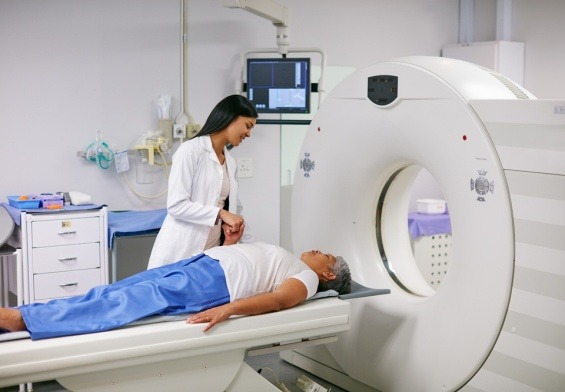
Johns Hopkins notes that imaging tests help determine whether immediate surgical treatment is necessary or whether careful monitoring is more appropriate. The standard workup typically includes a CT scan to detect bleeding, followed by CT angiography or MR angiography to look at the blood vessels.
In cases that need more detail, cerebral angiography is the gold standard because it provides detailed information on the aneurysm’s location, shape, and size, as well as any associated vascular abnormalities.
Treatment Options
The main goal of aneurysm treatment is preventing a rupture. For some aneurysms, particularly small ones with low rupture risk, the best course of action is just monitoring it over time. If one does need treatment, options include surgery, endovascular procedures, medications, or monitoring, depending on the specific aneurysm and the patient’s situation.
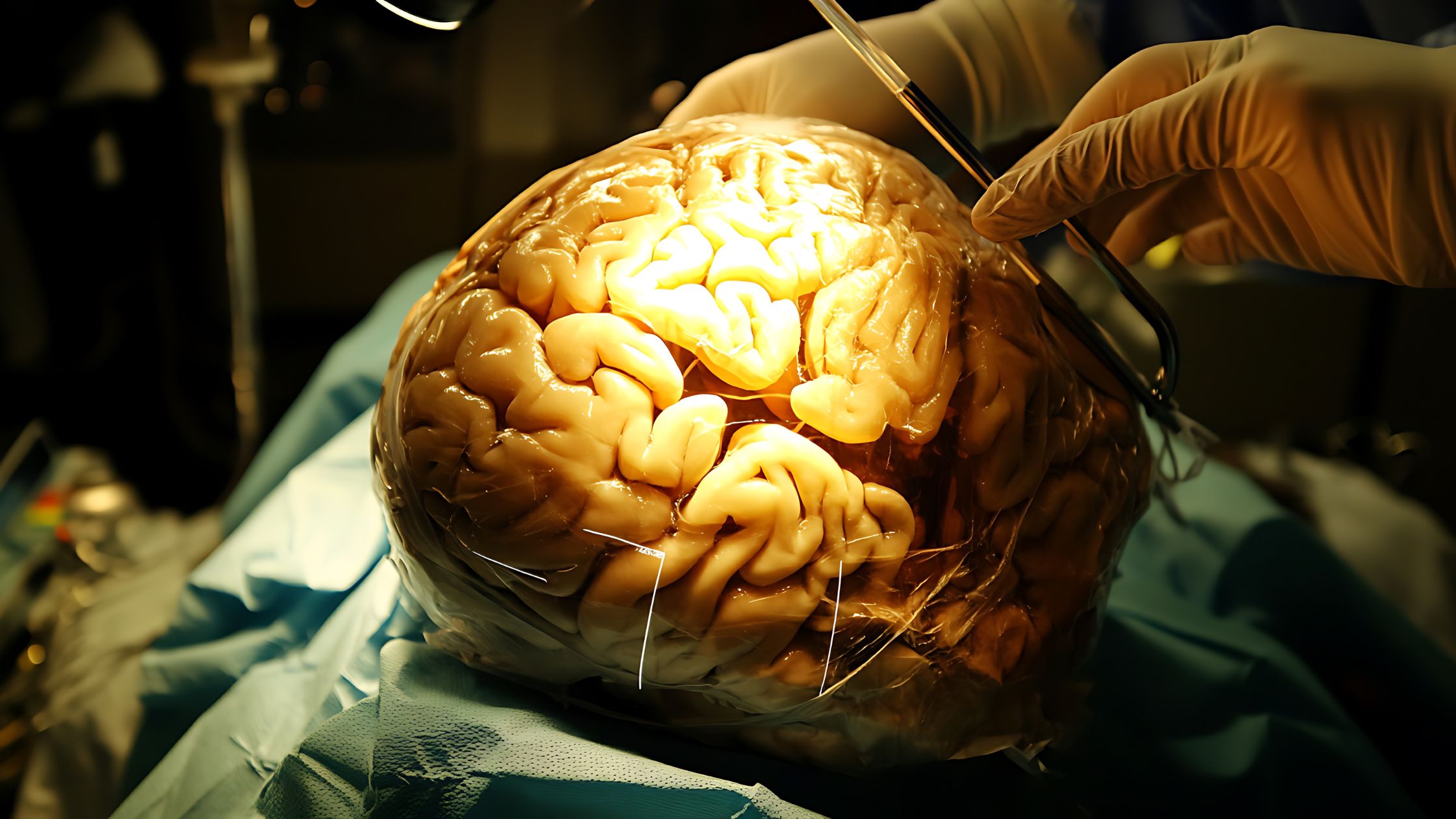
Surgical clipping involves placing a tiny metal clip across the neck of the aneurysm to cut off its blood supply. WebMD describes the process: a section of the skull is removed to access the aneurysm, the clip is placed, and the skull is sealed. Aneurysms that are completely clipped generally do not recur. Patients preparing for brain surgery may find it helpful to know that the clipping approach has the longest clinical track record and the lowest recurrence rate of the available options.
Endovascular coiling does not require opening the skull. A catheter is inserted through the groin or wrist and guided to the affected blood vessel, where platinum coils are placed inside the aneurysm to promote clotting and seal it off. The approach is associated with shorter recovery, but the aneurysm has a higher chance of recurring compared to clipping.
Flow diversion is used for larger aneurysms where neither clipping nor coiling would be effective. A stent is placed in the blood vessel to redirect blood flow away from the aneurysm. Johns Hopkins identifies flow diversion with stents among the procedures used when an aneurysm is likely to rupture.
When Surgery Is the Right Choice
Not every aneurysm requires treatment beyond monitoring. The decision weighs the rupture risk the aneurysm poses against the procedural risk of treating it.
The AANS cites data from the International Study of Unruptured Intracranial Aneurysms (ISUIA), which found five-year rupture rates in the anterior circulation of 0 percent for aneurysms smaller than 7mm, rising to 2.6 percent for 7–12mm aneurysms, 14.5 percent for 13–24mm aneurysms, and 40 percent for aneurysms larger than 25mm. Posterior circulation and posterior communicating artery aneurysms had higher rupture rates at each size range.
Procedural risk is also part of the calculation. The AANS notes that reported rupture rates during both clipping and coiling procedures range from 2–3 percent. A neurosurgeon who evaluates brain and skull base conditions in full clinical context can assess whether the risk of intervention is lower than the risk of leaving an aneurysm untreated.
What to Expect After Diagnosis and Treatment
Recovery varies considerably by procedure. Endovascular approaches are generally associated with shorter hospital stays and faster return to activity. The timeline for a specific patient depends on the aneurysm type, the procedure used, and any complications.
Going into any neurosurgical procedure with a clear picture of what to expect makes a real difference. Managing pre-surgery anxiety before the admission date can transform the recovery experience entirely.
Survivors of subarachnoid hemorrhage face a distinct kind of recovery from those who had an unruptured aneurysm treated electively. Physical and cognitive effects can persist after the acute phase. PTSD and anxiety are clinically documented in SAH survivors, and addressing them can be part of a post-surgery treatment plan.
Frequently Asked Questions About Brain Aneurysm Symptoms
What is the most common brain aneurysm symptom?
Most cerebral aneurysms cause no symptoms before rupture. When an unruptured aneurysm does cause symptoms, it is typically because it has grown large enough to press on nearby tissue or nerves, producing localized pain, vision changes, or facial numbness. A sudden, severe headache is the most recognized symptom of rupture, per the NINDS.
Can you have a brain aneurysm and not know it?
Yes. The NINDS confirms that most aneurysms do not show symptoms until they become very large or rupture. Many are discovered during imaging for an unrelated condition. People with known risk factors such as family history, high blood pressure, or connective tissue disorders sometimes pursue screening imaging.
How serious is a ruptured cerebral aneurysm?
A ruptured cerebral aneurysm is a medical emergency. The resulting subarachnoid hemorrhage accounts for 90 percent of all SAHs, per the AANS. Outcomes range from full recovery to permanent neurological damage, coma, or death, depending on the extent of the bleed and how quickly treatment is received.
What is the difference between clipping and coiling?
Clipping is open surgery that places a metal clip across the aneurysm’s neck to cut off its blood supply. Coiling uses a catheter to place platinum coils inside the aneurysm without opening the skull. Clipping generally has a lower recurrence rate; coiling is associated with shorter recovery. The right choice depends on the aneurysm’s characteristics and the patient’s health.
When does a brain aneurysm need surgery versus monitoring?
Johns Hopkins notes that imaging helps determine whether immediate treatment is necessary or whether monitoring is appropriate. Rupture rates rise sharply with size. Small, stable aneurysms are often monitored. Larger aneurysms, those showing signs of growth, and those in higher-risk locations are more likely to be treated.
Living With Cerebral Aneurysms
Most cerebral aneurysms are found incidentally, managed carefully, and never rupture. The ones that do rupture do so abruptly and without a predictable warning. Knowing which brain aneurysm symptoms require emergency response, and getting a specialist evaluation when one is discovered, are the two things that most change how this condition plays out.