
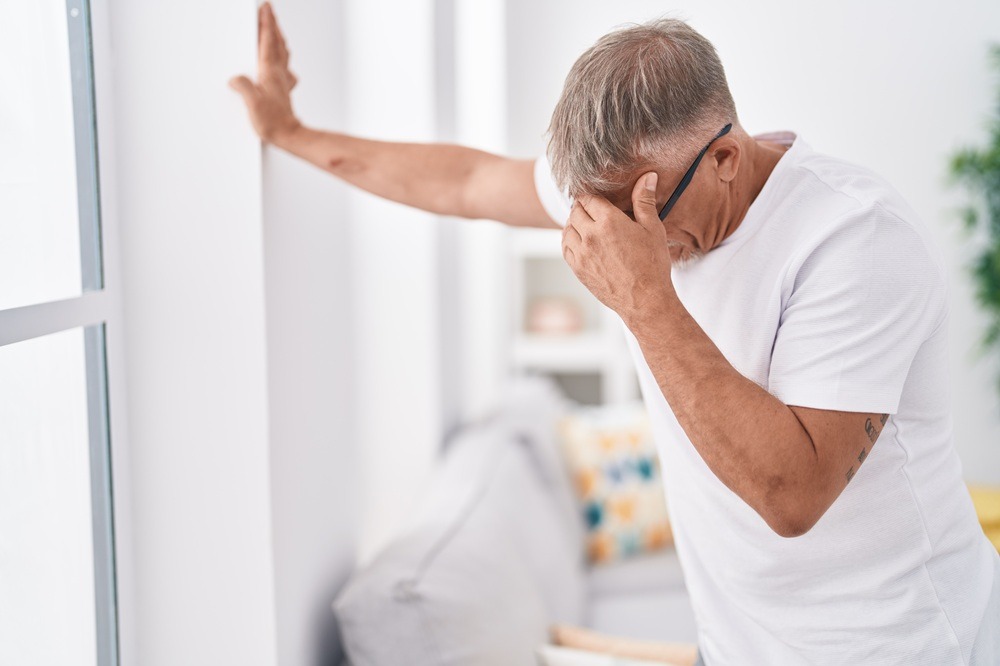
The plate is empty, but the risky part of the meal may still be ahead. A parent pushes back from the table, waits a second, then steadies one hand on the chair. The kitchen is only a few steps away. After lunch, those few steps can look different. Dizziness after eating can be easy to blame on a heavy meal or a slow afternoon. In older adults, it can point to a blood pressure drop after digestion begins. If that drop lines up with standing, turning, or walking toward the bathroom, a fall can happen before anyone has time to react.
A family member may notice the problem only after it repeats. The plate gets cleared, the chair moves back, and the same hand reaches for the same edge of the table. By the time someone calls the doctor, the question is not just whether the person felt dizzy. The question is what happened in the first few minutes after eating.
Dizziness After Eating Is Usually About Timing
After a meal, the body sends more blood toward the stomach and intestines. Digestion needs that blood flow. The rest of the circulatory system has to adjust so the brain still gets a steady supply.
Some older adults do not make that adjustment quickly enough. Blood pressure may drop after eating, especially after a larger meal. Doctors call this postprandial hypotension, meaning low blood pressure after a meal.
The MSD Manual explains that low blood pressure can cause dizziness and fainting when the brain does not get enough blood flow. It also describes how doctors may check blood pressure after a person stands while reviewing possible low blood pressure.
A parent may not say the word dizzy. They may say they feel washed out, weak, warm, or strange. They may stay in the chair longer after meals and never explain why.
Why the First Walk After Lunch Can Be Risky
The first walk after a meal usually happens without planning. Someone stands to rinse a dish. They turns toward the hallway. Or they head to the bathroom because the routine has always been the same.
If blood pressure is lower during that moment, the room does not need to be unsafe for the risk to rise. The chair leg catches a slipper. The counter is farther away than it looked. The person turns before balance has caught up.
The CDC reports that falls among adults 65 and older caused more than 38,000 deaths in 2021 and nearly 3 million emergency department visits that year. Those numbers are not about meals alone. They explain why a repeated after-meal dizzy spell belongs in a fall-risk review, not only in a note about digestion.
Homes in Bergen County have the same ordinary trouble spots as homes anywhere else. A narrow kitchen, a step down to a den, or a bathroom down the hall can become harder to manage when someone is lightheaded.
Dizziness After Eating and Blood Pressure Clues
Post-meal blood pressure drops may look small from the outside. A person may sit down again and say little. Someone else may notice only that lunch now takes longer than it used to.
The timing helps separate one problem from another. Dizziness after breakfast and again after dinner may tell a different story than dizziness after a shower or when turning in bed.
A clinician may ask about blood pressure, heart rhythm, hydration, diabetes, Parkinson’s disease, anemia, and medication timing. The family does not have to sort those causes out at home. The family can bring the order of events.
Lunch at noon. Dizzy near the sink at 12:35. Sat down again. No fall, but the counter took most of the weight.
The Meal Note Should Stay Short
A polished summary can hide the very detail a doctor needs. “She gets dizzy after eating” is a start, but the chair, sink, and first walk give the symptom a clearer starting point.
A short record over several days should keep the same three details:
- Meal time and whether the meal was small or large
- When dizziness, weakness, faintness, or blurred vision started
- Whether the person stood, walked, used stairs, fell, or almost fell
If a clinician has already asked for home blood pressure readings, those numbers can sit beside the meal note. Families should not create a complicated blood pressure schedule on their own, especially if the numbers make the person anxious.
The ordinary version is usually enough for the first call. “Tuesday dinner, stood too fast, held the table, sat back down” gives the visit a clearer starting point than a memory rebuilt two weeks later.
Medication Timing Can Change the Picture
Medication timing can make dizziness after eating harder to read. Blood pressure medicine, diuretics, sedating medicine, and some antidepressants can affect dizziness or fall risk in older adults.
The CDC medicine risk materials note that prescription medicines, over-the-counter medicines, supplements, and herbal products can cause side effects that raise fall risk. CDC also points older adults and caregivers toward medicine lists and review with a doctor or pharmacist.
The order may be the most helpful part of the note. Morning pill, breakfast, lightheaded at the sink. New sleep medicine, slow at breakfast, almost missed the chair.
No one should stop a prescription because of dizziness after eating without medical guidance. A prescriber may review dose timing, hydration, recent medicine changes, and home readings before changing a dose or schedule.
CMQ has a related post on medication changes and senior falls because fall trouble can begin after a refill, a new pain medicine, or a dose that moved to a different part of the day.
One Risky Hour Can Be Hard to Cover
Lunch may be the only hour when the person seems truly unsteady. The rest of the day may look normal enough that no one knows what kind of help to ask for.
A daughter may be able to stop by on Sunday, not every weekday at 12:30. A son may offer to come more often, then learn that the dizzy spell happens after the one meal he can almost never cover.
The problem may be less about full-day care and more about the hour when the plate is cleared and the first walk begins. The repeated half hour is the reason a family in Teaneck or Hackensack might use a few hours of in-home care in Bergen County around lunch rather than a full day of help.
Meal Help Should Include the Minutes Afterward
The meal itself may go well. The harder part begins after the last bite, when the person wants to stand, clear the plate, or move to another room.
The chair should be steady. Water should already be close. The walker should not be across the room. The path to the bathroom should be clear before anyone stands.
A family using elder care services for meal help gets a second set of eyes on the same routine. The person is fine while eating, then unsteady when the chair moves back.
The same routine work appears in in-home support when a caregiver helps with the meal and stays close for the first movement afterward, without turning the home into a medical setting.
Caregivers do not diagnose post-meal dizziness. They can notice whether lunch keeps ending the same way.
The Appointment Trip Starts Before the Car
Doctor visits often land after breakfast or lunch because those are the open slots. For someone who gets lightheaded after meals, the trip may start during the riskiest part of the day.
The visit may require the first walk after eating, the front steps, the curb outside the car, and a waiting room walk after sitting. If everyone is late, the person may rush through the exact minutes that already cause trouble.
The family arranging transportation to appointments should build in time after the meal, not start the trip the second breakfast ends. The person can sit, stand more slowly, and bring the meal note instead of trying to rebuild the event from memory in the exam room.
The ride is not only a ride when dizziness after eating is the reason for the visit. It begins at the table.
Dizziness After Eating and Urgent Warning Signs
A clinician should hear about repeated dizziness after eating, especially after a fall or near-fall. Symptoms after a new medicine, a dose change, or a recent illness also need review.
Emergency care is needed when dizziness comes with chest pain, trouble breathing, sudden weakness, fainting, signs of stroke, black stools, or injury from a fall. A person who faints and hits their head should not wait for the next routine appointment.
For slower patterns, the review can still be detailed. A doctor may check blood pressure in different positions and ask about symptoms around meals. The visit may also include medication review, blood work, heart rhythm checks, hydration review, and diabetes questions when they fit the person’s history.
The first call does not need to solve the cause. It needs to describe what keeps happening after the meal.
FAQ
What causes dizziness after eating in seniors?
Dizziness after eating in seniors can happen when blood pressure drops during digestion. Blood moves toward the gut after a meal, and some older adults do not adjust quickly enough. Medication timing, dehydration, diabetes, Parkinson’s disease, and heart conditions can also belong in the review.
How long after eating can dizziness start?
Dizziness can start soon after a meal or during the next hour or two. The exact minute may be less helpful than the repeated order of events. Lunch, chair, sink, dizziness is the kind of sequence a doctor can work with.
Can dizziness after eating cause a fall?
Yes. Dizziness after eating can lead to a fall if the person stands or walks while blood pressure is low. The first walk after a meal deserves attention, especially when the person already has balance trouble or uses a cane or walker.
Should seniors skip meals because of dizziness after eating?
No. Seniors should not skip meals because of dizziness after eating. Skipping food can create weakness, poor hydration, and medication problems. A clinician can review whether smaller meals, hydration changes, or medicine timing changes are safer.
What should families tell the doctor?
Families should tell the doctor when symptoms start after meals and whether standing or walking makes them worse. Bring the medication list, any recent dose changes, and a same-day note about the fall or near-fall. A note written near the event is usually better than a clean summary written from memory.
Before the Next Lunch
Start with the meal that causes the most trouble. Clear the path before the person sits down. Keep water nearby. Let the first walk happen slowly.
If the same thing happens again, write it down the same day. Bring the note to a doctor or pharmacist, especially if there has been a medicine change or a near-fall. The note can be rough. It only needs to be close enough to the moment that the order is still there.
Sources
MSD Manual Consumer Version, Low Blood Pressure
About Older Adult Fall Prevention, CDC