It’s common and understandable for nerves to get the best of you at the dentist. But you can’t let dental anxiety win the day and keep you from getting the care you need. Fortunately, sedation dentistry can be your ally in the fight against dental anxiety. It can help you calm your nerves, pain sensitivity, and just keep longer procedures from overwhelming you.
Sedation dentistry is often used alongside restorative and therapeutic treatments, including procedures that address damaged teeth, jaw discomfort, or chronic oral pain. Many patients first explore sedation when seeking care for issues similar to those discussed in this overview of what restorative dentistry in New Jersey can fix.
Getting the most out of sedation dentistry in NJ takes a little preparation, however. Preparing properly is just as important as the treatment itself. Let’s explore how you can prepare to protect yourself, stay comfortable, and ensure a safe recovery from your sedation dentistry treatment.
How to Prepare for Sedation Dentistry in NJ (Quick Patient Guide)
To prepare for sedation dentistry in NJ, patients should arrange a ride home, follow fasting instructions from their dentist, disclose all medications and medical conditions, avoid alcohol and caffeine beforehand, and wear loose, comfortable clothing. These help ensure proper monitoring and a smooth recovery.
What Sedation Dentistry Is and How It Works for NJ Patients
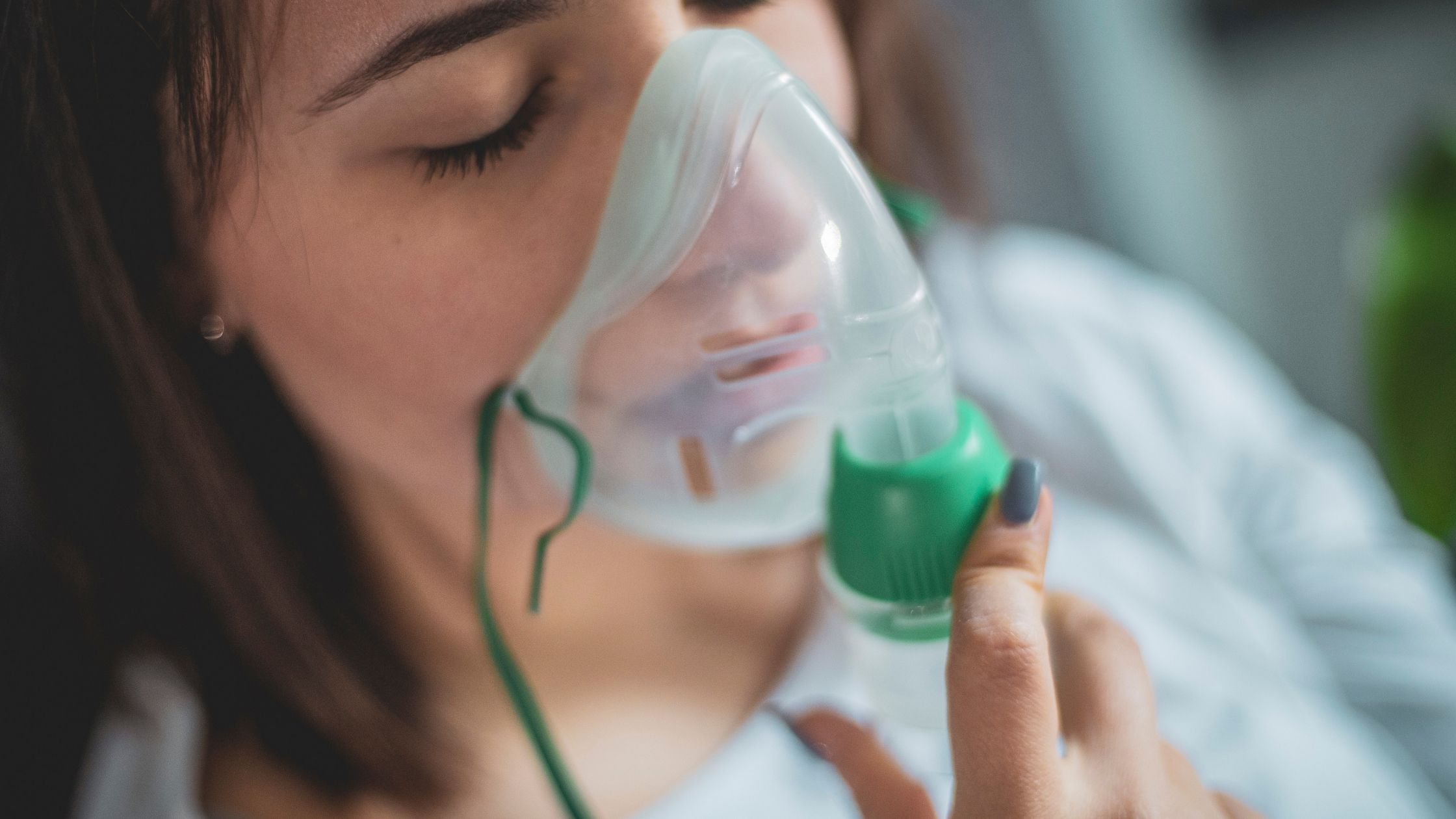
Sedation dentistry uses medication to help patients relax during dental treatment. Depending on the type used, patients may feel calm but awake, drowsy with limited awareness, or deeply relaxed with little memory of the procedure.
The American Dental Association states sedation exists on a continuum. There’s more to the level of sedation than just how the medication is given. That’s why preparation instructions matter so much.
Types of Sedation Dentistry Used in New Jersey Dental Offices
Dentists use different levels of sedation based on anxiety level, procedure length, and medical history. Your dentist will recommend the option that best fits your needs.
| Sedation Type | Awareness Level | Typical Use |
| Nitrous Oxide | Awake, relaxed | Mild anxiety or shorter visits |
| Oral Sedation | Drowsy, limited awareness | Moderate anxiety |
| IV Sedation | Deep relaxation, minimal memory | Severe anxiety or complex procedures |
Patients wondering what to expect during IV sedation in NJ dental offices should know that this option is commonly used for longer or more complex procedures. It is often paired with advanced treatments, including care for jaw-related conditions like TMJ disorders, which are explained in more detail in this overview of how dentists can treat TMJ.
Step 1: Share Your Medical History
One of the most important preparation steps happens before your appointment. Your dentist can’t plan your sedation treatment safely if they don’t know anything about your overall health. Sharing that information with your dental team helps them plan your care safely.
The American Dental Association requires medical history review before any form of sedation. This helps identify risks related to breathing, heart health, and medication interactions.
What You Should Tell Your Dentist
- Prescription medications
- Over-the-counter medications
- Vitamins and herbal supplements
- Sleep apnea or breathing conditions
- Heart, lung, or neurological conditions
- Previous reactions to anesthesia or sedation
Even if it seems unrelated, tell your dentist anyway. The health aspects affecting sedation might surprise you.
Step 2: Fasting Guidelines Before Sedation Dentistry in NJ
Fasting reduces the risk of complications during sedation. The required fasting time depends on the depth of sedation and the type of medication used. Thus, fasting rules are one of the most important steps to follow exactly as instructed.
According to guidelines from the American Society of Anesthesiologists, fasting times generally follow specific safety windows for liquids and food.
| Intake Type | Typical Minimum Fasting Time |
| Clear liquids | 2 hours |
| Light meals | 6 hours |
| Heavy or fatty meals | 8 hours |
Remember, these are general guidelines, not hard rules. Always prioritize your dentist’s specific advice over these.
Step 3: Plan Transportation and At-Home Care After the Procedure
Sedation affects coordination, judgment, and reaction time. Even if you feel alert afterward, driving isn’t a great idea.
New Jersey dental offices require patients receiving oral or IV sedation to have a responsible adult drive them home. If you have questions about this restriction, this explanation of whether you can drive after sedation dental treatment provides helpful clarity.
Plan Ahead For
- A trusted adult to drive you home
- Someone to stay with you after the procedure
- A quiet, comfortable recovery space
Make these arrangements before the big day. Doing so day of can lead to tons of unnecessary stress.
Step 4: What to Wear (and What Not to)
What you wear can affect how easily your dental team monitors your safety. Comfortable clothing also helps you stay relaxed before and after sedation.
Loose-fitting clothes with short sleeves work best. Layers can help if you feel cold during recovery.
Avoid Wearing
- Jewelry
- Makeup
- Nail polish
- Contact lenses if advised
Your dentist’s monitoring equipment relies on clear access to skin and fingers.
Step 5: Alcohol, Caffeine, and What to Avoid
Alcohol can interact with sedative medications and increase the risk of side effects. Caffeine may raise anxiety levels and interfere with relaxation.
Most dentists recommend avoiding alcohol for at least 24 hours before sedation. Caffeine is often discouraged the morning of your appointment.
Always follow your dentist’s specific guidance.
Step 6: Medication Instructions to Follow Before Sedation Dentistry
Some medications are safe to take before sedation, while others might not be. It all depends the medication and the type of sedation planned.
Do not stop or change any medication unless your dentist or physician specifically instructs you to do so. Clear communication ahead of time prevents last-minute cancellations or delays.
How to Reduce Anxiety Before Sedation Dentistry in NJ
It’s common and understandable to feel nervous before sedation. You can calm your nerves by making some mental preparations, like relaxation techniques or asking questions.
Research in dental anxiety management shows that reducing stress before sedation can improve comfort and recovery, even in adult patients.
What Happens When You Arrive for an Appointment
Arriving early allows time for check-in and preparation. Your dental team will review your medical information and confirm that fasting and transportation plans are in place.
Then, they’ll take your vital signs such as blood pressure, heart rate, and oxygen levels. This establishes a safety baseline before sedation begins.
What to Expect During Sedation Dentistry Treatment
During the procedure, trained staff continuously track your breathing, heart rate, and oxygen levels. The American Dental Association requires continuous monitoring for patient safety during sedation.
These monitoring practices align with broader patient safety standards used by top dental providers, which are outlined in this overview of how New Jersey’s top dentists maintain patient safety.
Most patients report feeling calm, sleepy, or detached from the procedure. Many remember little or nothing afterward.
Recovery After Sedation Dentistry: What NJ Patients Should Expect
After your procedure, you will spend time in a recovery area until you are stable for discharge. It’s normal to feel groggy, tired, or mildly disoriented.
Your dentist will confirm that your breathing, circulation, and awareness meet safety standards before you leave. They’ll send you off with written aftercare instructions.
What You Should Not Do After Sedation Dentistry
Even if you feel fine, sedation can affect your judgment for the rest of the day.
Avoid the following for at least 24 hours unless your dentist advises otherwise:
- Driving
- Operating machinery
- Returning to work
- Making important decisions
- Drinking alcohol
Rest allows your body to recover fully.
When You Can Eat and Drink After Sedation Dentistry
Your dentist will tell you when it is safe to eat and drink. Many patients start with light foods once nausea risk has passed.
Drink plenty of fluids unless instructed otherwise. Avoid hot beverages until numbness or grogginess fully resolves.
Sedation Dentistry Safety Standards in New Jersey Dental Offices
Sedation dentistry in NJ follows strict professional standards. According to the American Dental Association, dentists providing sedation must meet training, equipment, and monitoring requirements.
These standards exist to protect patients and confirm responsible administration of sedation. Asking about your dentist’s training and safety protocols is reasonable and encouraged.
Key Takeaways: Sedation Dentistry Preparation Tips in New Jersey
- Preparation improves safety, comfort, and recovery
- Carefully follow fasting instructions
- Full medical disclosure is essential
- Transportation and supervision are required
- Clothing and personal items affect monitoring
- NJ sedation dentistry follows strict professional guidelines
Proper preparation is part of safe dental care.
Preparing for Sedation Dentistry in New Jersey
Sedation dentistry allows many New Jersey patients to receive dental care they might otherwise avoid. Preparing properly helps ensure the experience is calm, safe, and predictable.
By following your dentist’s instructions and planning ahead, you can approach sedation dentistry with greater confidence. Understanding what to expect is often the first step toward reducing dental anxiety and improving long-term oral health.
Resources
American Dental Association – Guidelines for the Use of Sedation and General Anesthesia by Dentists
Elfezary, M.T., Moteea, M.E., Abu Samadah, M.S. et al. The implementation of conscious sedation by dental professionals in Egypt: an analytical cross-sectional study. Sci Rep 14, 16502 (2024). https://doi.org/10.1038/s41598-024-66834-z
Gao F and Wu Y (2023) Procedural sedation in pediatric dentistry: a narrative review. Front. Med. 10:1186823. doi: 10.3389/fmed.2023.1186823