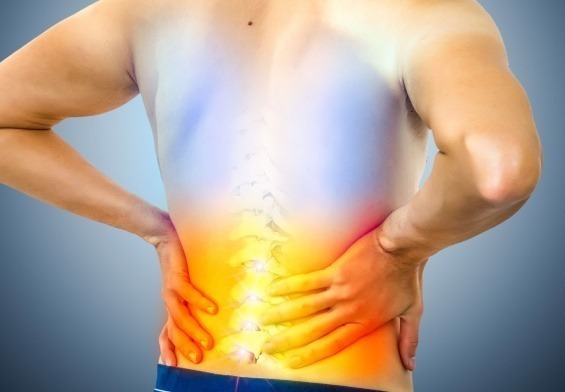
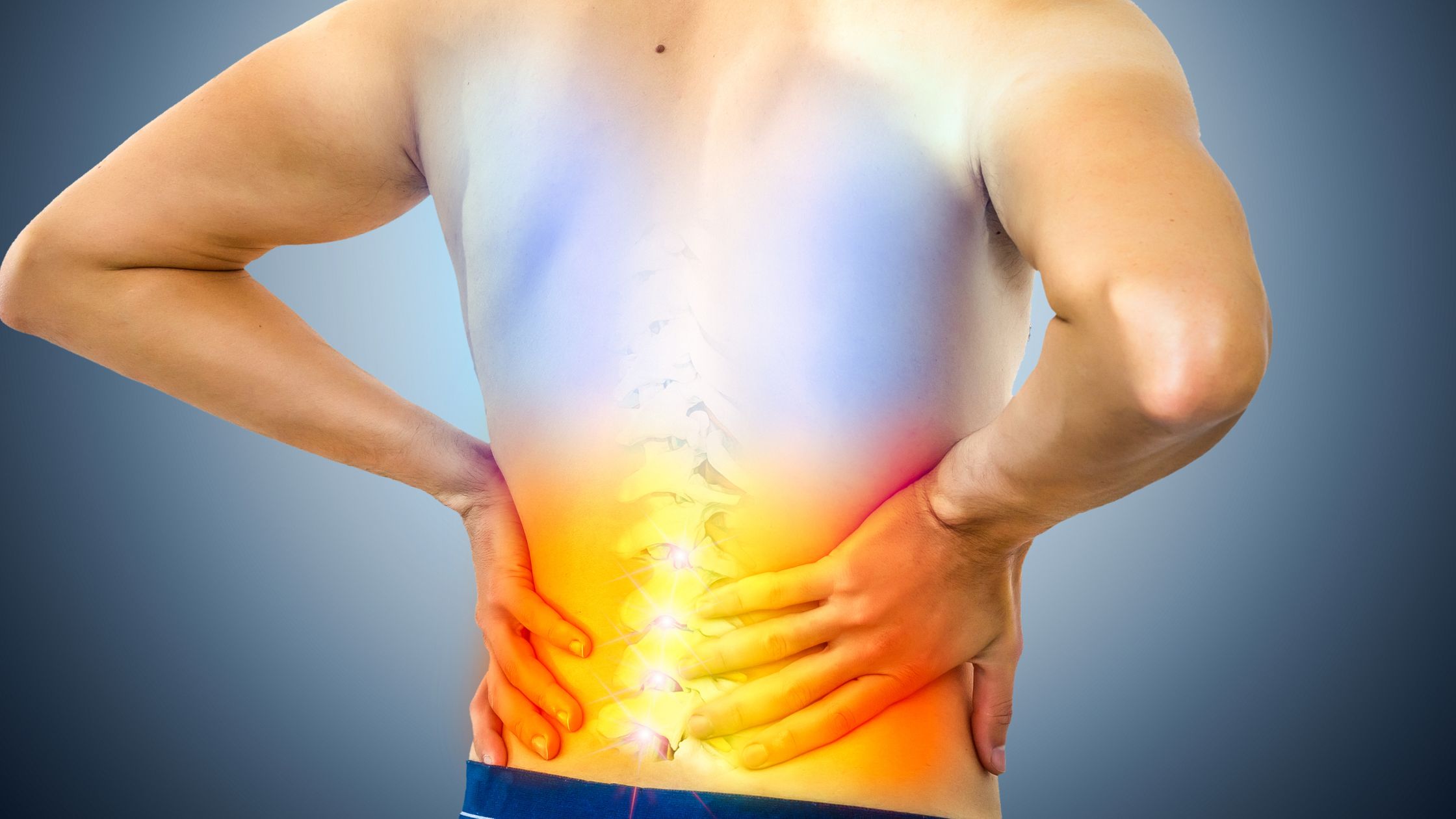
It’s the scenario everyone dreads after a spine surgery: what if you still have pain? What if the surgery didn’t fix your pain issues? That’s a scary thought, but it’s important not to panic. There’s a lot of moving parts to this, and it’s possible to find relief.
Let’s explore why spine surgery sometimes doesn’t relieve pain, so you can make sense of what you’re going through and what usually comes next.
Why Spine Surgery Sometimes Doesn’t Fully Relieve Pain
Spine surgery does not always relieve pain because pain can come from multiple sources, not all of which surgery can fix. Ongoing nerve irritation, incomplete healing, new spinal changes, or chronic pain processing can all play a role.
This does not necessarily mean the surgery was done incorrectly. Many patients improve with careful reevaluation and conservative care, while revision surgery is reserved for specific, clearly identified problems.
Is It Normal to Still Have Pain After Spine Surgery?
Don’t fret if you still have pain after spine surgery; it’s actually relatively common. According to StatPearls, ongoing or recurrent pain after back surgery occurs often enough to be recognized as a distinct clinical condition.
Some people use the term “failed back surgery syndrome” to describe that experience, but the term itself is a little disingenuous. It doesn’t mean the surgeon failed or that there’s nothing else that can be done. Remember, it describes an outcome, not necessarily a mistake.
Symptoms of Failed Back Surgery Syndrome
Symptoms of failed back surgery syndrome vary widely from person to person. Some patients experience pain immediately after surgery, while others feel better at first and then notice symptoms returning over time.
Common symptoms may include persistent lower back pain, leg pain, numbness, tingling, weakness, or burning sensations. In some cases, pain may feel different than it did before surgery.
These symptoms do not automatically point to a single cause and need careful evaluation.
What “Failed Back Surgery” Really Means for Patients
The term failed back surgery can sound alarming, but it is often misunderstood. In most cases, it means pain has persisted or returned, not that surgery was performed incorrectly.
Even if the surgery was successful by every metric, pain can stick around. It’s possible for the surgery to fix the anatomical issue, but for the pain pathways to stay active.
This distinction shapes how doctors plan next steps.
Why Imaging Tests Don’t Always Explain Ongoing Pain
Pain after spine surgery is not always visible on scans. According to the National Institute of Neurological Disorders and Stroke, pain is a sensory and emotional experience.
Imaging shows structure, but it can’t capture how your nervous system experiences pain. Normal imaging can’t always match how a patient feels. That can, understandably, be a source of confusion for many patients during their recovery.
How Pain Can Linger Long After Spine Surgery Healing
Pain that lasts beyond normal healing time behaves differently than acute pain. The National Institutes of Health defines pain lasting longer than three months as chronic pain.
Over time, the brain and spinal cord can become more sensitive to pain signals. As a result, pain may persist even after tissues heal.
Spine surgery may correct a mechanical issue without reversing these nervous system changes.
Structural Reasons Spine Surgery May Not Fully Resolve Pain
Some causes of persistent pain are mechanical and identifiable. These are usually the first things identified after a surgery.
Structural causes may include:
- Residual nerve compression
- Recurrent disc herniation
- Incomplete decompression
- Spinal instability
Each of these can allow pain signals to continue despite surgery.
Why Spinal Fusion Can Lead to Ongoing or New Pain
Spinal fusion changes how movement and force travel through the spine. According to StatPearls, this can introduce new challenges over time.
Fusion-related issues include:
- Non-union, where bones do not fully heal together
- Hardware irritation or loosening
- Ongoing instability at the fused level
These problems may not appear immediately after surgery.
How Fusion Surgery Can Stress Nearby Spinal Levels
When one spinal level is fused, nearby segments often take on more stress. Over time, this can lead to degeneration at adjacent levels.
StatPearls identifies adjacent segment degeneration as a known long-term risk after fusion surgery. Symptoms could feel like the original problem, or entirely different. It’s a biomechanics issue, not a surgical error.
When Pain After Spine Surgery Comes From Another Source
Not all post-surgical pain comes from the spine itself. Nearby structures can contribute significantly.
Non-spinal pain sources include:
- Sacroiliac joint dysfunction
- Facet joint arthritis
- Muscle and soft tissue pain
- Hip or pelvic conditions
According to StatPearls, these sources usually do not improve with more spine surgery.
How Scar Tissue and Nerve Damage Can Affect Recovery
Scar tissue forms naturally after surgery and is part of healing. Sometimes, its formation can irritate nearby nerves.
Any nerves compressed pre-surgery could also stay sensitive post-surgery. Even after the pressure is relieved, nerve-related pain can persist.
This helps explain lingering burning, tingling, or shooting sensations.
How Specialists Check Pain After Spine Surgery
Persistent pain requires a careful, methodical evaluation. Specialists focus on accuracy rather than speed.
Typical evaluation steps include:
- Comparing current symptoms to pre-surgical pain
- Reviewing operative reports and prior imaging
- Ordering updated MRI or CT scans
- Assessing alignment and spinal stability
The goal is to match symptoms with an identifiable cause.
Tests Doctors Use When MRI or CT Scans Don’t Tell the Full Story
When imaging is inconclusive, extra diagnostic tools may help clarify the source of pain.
Diagnostic tools may include:
- Targeted nerve blocks
- Joint injections
- Flexion-extension X-rays
According to StatPearls, these tools help identify specific pain generators and guide treatment decisions.
Why More Spine Surgery Is Not Always the Right Next Step
Don’t automatically think you need another surgery if your pain persists. Conservative treatment should always be the first step barring any emergency neurological symptoms.
Non-surgical treatments for post-spine surgery pain can reduce symptoms, improve function, and limit long-term sensitization. This is especially important when imaging does not show a clear mechanical cause.
Repeated surgeries tend to have less predictable outcomes and higher risk.
Non-Surgical Treatments for Post-Spine Surgery Pain
The National Institutes of Health emphasizes a biopsychosocial approach to chronic pain. This approach treats physical, neurological, and emotional contributors together.
Non-surgical treatments may include:
- Physical therapy and movement retraining
- Medications for nerve-related pain
- Image-guided injections
- Cognitive and behavioral strategies
These treatments are often most effective when combined. Patients interested in the mental side of recovery may find this helpful: How your outlook can affect spine surgery recovery
How Non-Surgical Care Improves Function and Quality of Life
Pain ratings aren’t the only metric that measures recovery. Function plays just a large a role. Regular activity can reduce how much pain interferes with daily life.
Behavioral strategies address fear and avoidance, which can amplify pain. Treating these factors improves long-term outcomes.
Pain management focuses on restoring movement and independence.
How Long Does Pain Last After Spine Surgery?
Everyone’s body is different. There’s no one-size-fits-all timeline for resolving pain after a spine surgery. Recovery rates depend on the original condition, the type of surgery, and how the nervous system handled both.
Some patients improve steadily, while others experience plateaus or flare-ups. Persistent pain does not automatically mean recovery has failed.
This variability is why follow-up evaluation is so important.
When Revision Spine Surgery May Be an Option
Revision spine surgery refers to procedures performed after a prior operation. There’s no one type of surgery that falls under the umbrella of “revision”.
According to StatPearls, doctors consider revision surgery when imaging shows a correctable mechanical issue that clearly matches symptoms. Progressive weakness, instability, or worsening nerve compression may warrant surgery.
Patients looking for a deeper explanation of options can read more about Revision spine surgery as a second chance after failed back surgery
For a broader overview of complex revision approaches, see Corrective spinal surgery and complex revision procedures
Risks of Revision Spine Surgery
Revision spine surgery carries different risks than first-time procedures. Scar tissue, altered anatomy, and existing hardware increase technical complexity.
Recovery may be slower, and outcomes are more variable. StatPearls notes there are diminishing returns associated with additional surgeries.
For this reason, revision spine surgery is approached cautiously and only when benefits clearly outweigh risks.
Common Treatment Paths After Persistent Pain
| Situation | Typical Next Step |
| No clear mechanical cause | Conservative care |
| Confirmed instability | Surgical consideration |
| Nerve-related pain | Multimodal pain management |
| Progressive neurological deficits | Urgent evaluation |
How Mental and Emotional Health Affect Pain Recovery
Chronic pain often affects mood, sleep, and mental health. According to the National Institutes of Health, anxiety and depression frequently occur alongside persistent pain.
These factors do not make pain imaginary. They reflect overlapping brain pathways involved in pain and emotion.
Addressing mental health improves physical recovery.
What to Do If You Still Have Pain After Spine Surgery
Patients enjoy understanding whether pain is mechanical, nerve-related, or chronic. This distinction guides treatment decisions.
Seeking evaluation from specialists experienced in complex spine cases is often helpful. A thoughtful, stepwise approach reduces unnecessary risk.
Even when recovery’s looking bleak, progress is always possible. Remember that.
If you’re still learning about different procedures, this overview may help:
What cervical spine surgery involves
Key Takeaways for Patients With Ongoing Pain After Spine Surgery
- Persistent pain after spine surgery is relatively common
- Symptoms of failed back surgery syndrome vary widely
- Pain does not automatically mean the surgery was done incorrectly
- Non-surgical treatments for post-spine surgery pain are often effective
- Revision spine surgery is reserved for clearly defined problems
Moving Forward After Spine Surgery That Didn’t Meet Expectations
When spine surgery does not deliver the relief a patient hoped for, the next step is understanding why. According to StatPearls and the National Institutes of Health, ongoing pain after surgery is a recognized medical issue with established evaluation and treatment pathways.
Careful reevaluation, conservative care, and selective use of surgery reflect current medical consensus. Patients who want a broader safety overview may also find this helpful: How safe spine surgery is today
With the right approach, many patients achieve meaningful improvements in function, comfort, and quality of life.
Resources
National Institute of Health – StatPearls: Failed Back Surgery Syndrome
National Institute of Neurological Disorders and Stroke – Pain