
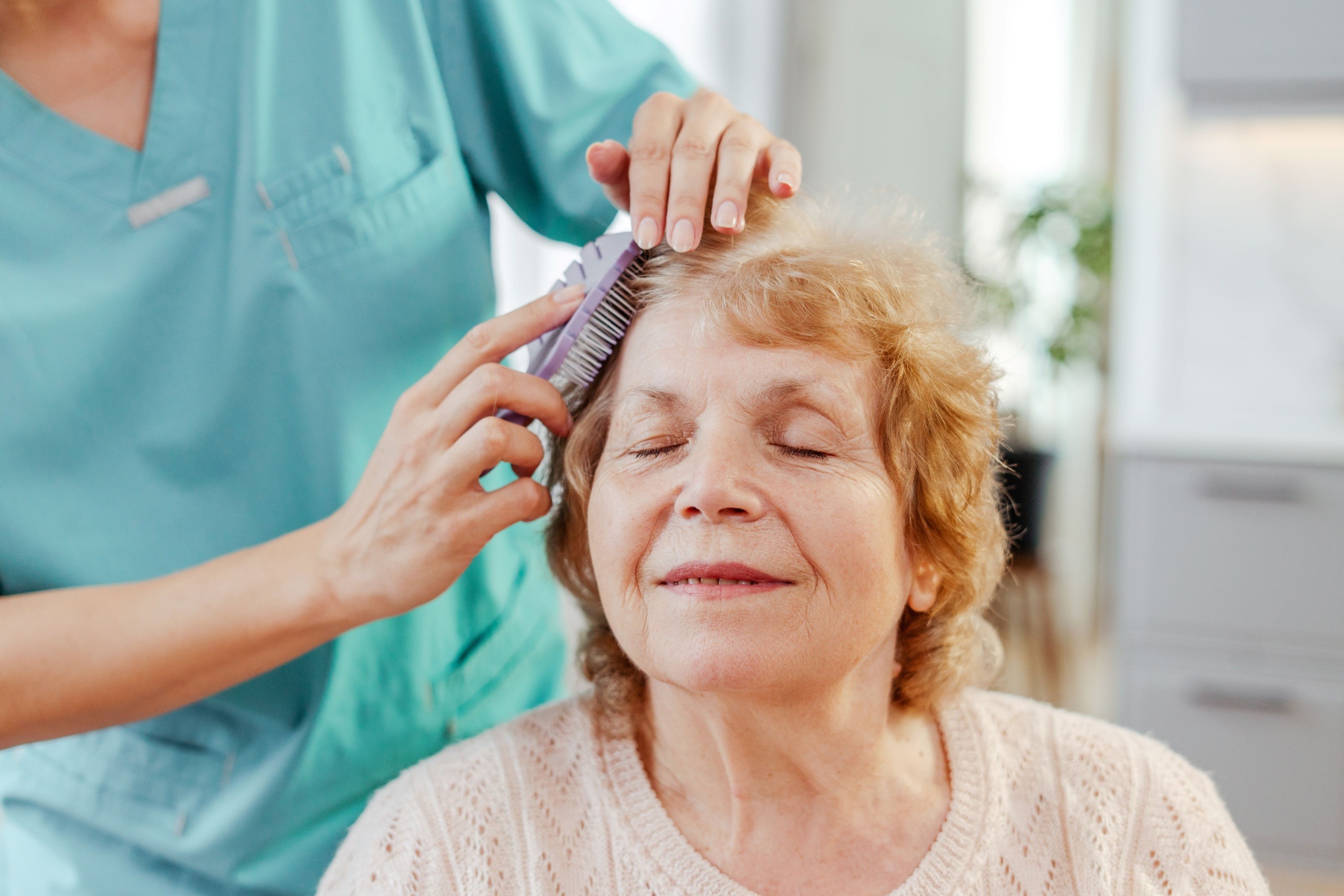
When families arrange home care assistance in McLean, VA, or begin researching home care in Alexandria, VA, their focus is usually on caregiving services. Medication reminders, fall prevention, mobility assistance, and companionship are top priorities.
However, there is another factor that quietly affects senior health every single day: indoor air quality.
For older adults who spend significant time indoors, the condition of the home’s windows and doors plays a direct role in respiratory comfort, humidity balance, and overall wellness.
This guide explains why and how to fix your potential indoor air quality issues.
Why Indoor Air Quality Affects Seniors More Than Younger Adults
As we age, lung elasticity decreases and immune response weakens. That means older adults are more sensitive to airborne irritants such as:
- Dust
- Mold spores
- Pollen
- Outdoor pollution
- Excess humidity
Even mild indoor air instability can cause coughing, sinus irritation, headaches, and sleep disruption.
For seniors receiving home care in communities like Reston, Ashburn, or Leesburg, long periods indoors increase exposure time to whatever is circulating inside the home. That makes environmental stability essential.
What Most Homeowners Overlook About Air Quality
Many people assume indoor air quality depends entirely on HVAC systems or air purifiers. While those tools matter, they only manage the air inside the structure.
If the building envelope is compromised, air quality problems will continue.
The building envelope includes:
- Windows
- Exterior doors
- Insulation
- Sealing materials
When windows or doors deteriorate, they allow uncontrolled air exchange between indoor and outdoor environments. That exchange often brings allergens and moisture with it.
How Aging Windows Disrupt a Healthy Indoor Environment
Older window systems were not built with modern insulation standards. Over time, seals weaken and frames shift.
This leads to three common problems.
1. Air Leakage
Tiny gaps allow unfiltered outdoor air to enter. During high pollen seasons in Northern Virginia, this can significantly increase indoor allergen levels.
2. Condensation and Moisture
Temperature differences between indoor and outdoor air create condensation. Persistent moisture encourages mold growth, especially around window frames.
3. Temperature Instability
Drafts make it harder to maintain consistent indoor temperatures. Seniors are more vulnerable to cold stress and overheating, so stable indoor conditions matter.
Professional window replacement improves sealing and insulation, reducing these risks at the source.
The Role of Doors in Air Quality
Exterior doors are another overlooked contributor. Worn thresholds and aging weather stripping allow drafts and pollutants to enter.
Upgraded door systems:
- Improve insulation
- Reduce dust infiltration
- Stabilize humidity levels
- Support HVAC efficiency
For households coordinating senior home care in Sterling, VA, or home care in Great Falls, VA, these structural improvements create a more supportive environment for aging adults.
How Window and Door Upgrades Support Aging in Place
Aging in place requires more than grab bars and medication management. It requires a home that actively supports health.
When windows and doors are properly sealed:
- Indoor humidity remains balanced
- Heating and cooling systems operate more efficiently
- Allergen exposure decreases
- Temperature fluctuations are minimized
For families researching home care in Annandale, VA, or home care in Ashburn, VA, evaluating the physical condition of the home should be part of the long term plan.
A stable indoor environment reduces environmental stress on aging bodies.
Frequently Asked Questions
Do new windows really improve indoor air quality?
Yes. Modern window systems are engineered to reduce air infiltration and improve insulation. By minimizing uncontrolled air exchange, they reduce allergen entry and moisture buildup.
Is indoor air quality connected to energy efficiency?
Absolutely. Better insulation and sealing improve both energy efficiency and environmental stability. Balanced humidity and temperature control directly influence air quality.
Should families prioritize home upgrades before arranging care?
Care services and environmental improvements work best together. If a home has significant drafts, condensation, or mold concerns, addressing those issues enhances the overall effectiveness of caregiving support.
Climate Considerations in Northern Virginia
The Northern Virginia region experiences humid summers, cold winters, and heavy pollen seasons. These conditions put extra strain on older window and door systems.
Humidity increases mold risk. Cold air increases condensation. Seasonal allergens elevate indoor irritation.
Homes in areas such as McLean, Alexandria, Reston, Leesburg. and those considering replacement windows in Fairfax, VA, benefit from window and door systems designed for modern climate demands.
Upgrading structural components allows homeowners to manage these seasonal challenges more effectively.
Signs Your Home May Be Affecting Senior Air Quality
If you are arranging home care assistance in Northern Virginia, evaluate the home itself for these warning signs:
- Frequent condensation on glass
- Drafts near seating areas
- Uneven room temperatures
- Musty odors
- Increased dust accumulation
These indicators often point to air leakage or moisture intrusion at the window or door level.
Addressing them improves comfort and reduces respiratory strain.
The Long-Term Health Perspective
Indoor air quality improvements are preventative measures. While they do not replace medical care, they reduce environmental triggers that can aggravate existing conditions.
For older adults, small improvements can have meaningful daily impact:
- More restful sleep
- Easier breathing
- Fewer seasonal flare ups
- Greater overall comfort
When families seek home care, they are investing in quality of life. Ensuring the home environment supports that investment is equally important.
Final Thoughts: Creating a Healthier Home for Seniors
Indoor air quality is not always visible, but its effects are measurable. Aging windows and doors often allow allergens, moisture, and unstable temperatures to affect indoor living spaces.
Upgrading these structural elements strengthens the home’s protective barrier, promotes humidity balance, and supports respiratory comfort.
For families arranging home care across Northern Virginia communities, improving the home itself can be one of the most practical steps toward healthier aging in place.
A well supported senior deserves both quality care and a home environment that actively contributes to wellbeing.