
Having constant back pain causes such as spasms, muscle strains, or disk issues can put a damper on your life.…
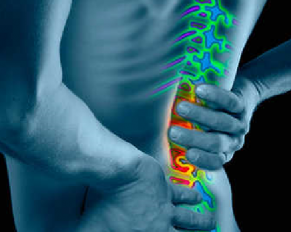
Having constant back pain causes such as spasms, muscle strains, or disk issues can put a damper on your life.…

An estimated 80% of the population experiences back pain– especially lower back pain– at one point or another in their lifetime. While still prevalent, leg pain can stem from back pain, but it occurs less frequently. Leg pain tends to be both bothersome and debilitating, potentially limiting an individual’s daily activities. Patients consulting a spinal care look to a doctor to administer treatment for quick pain relief; more importantly, patients want doctors to provide answers to the cause of their discomfort. But in the end, patients fail to understand that the answer may not be as clear-cut as they believe.
In reality, a wide spectrum of spinal conditions can lead to instances of both back and leg pain.
For example, Peripheral Artery Disease (PAD) can trigger leg pain, coupled with back pain. PAD refers to the buildup of plaque along artery walls and the subsequent blocking of blood vessels in the legs. This, in turn, restricts the amount of oxygen nourishing the leg muscles and causes discomfort in patients’ legs and back. But combined leg and back pain can also be a harbinger of a life-threatening condition called Deep Vein Thrombosis. This serious condition refers to the formation of blood clots in the deep veins in the body. If the clot breaks free, it can be dangerous and clog a smaller vessel, thereby culminating into a stroke.
 Neck pain is more prevalent than ever before. One recent study showed that neck pain affects upwards of 40% of all of America’s labor force, with females experiencing this type of pain more often than males. One reason neck pain is on the rise in the United States is due to increasing numbers of people sitting in front of computers and using handheld digital devices for several hours every day. Another very important factor in these recent statistics is that Americans’ collective lifestyle is getting more sedentary. In fact, when surveyed, the majority of participants said they spend more than two hours per day either sitting at a computer or hovering over a cell phone, tablet, or other device. Another significant reason for the increase in neck pain sufferers in the U.S. is the heavy backpacks or brief cases many of us carry to work or school these days. Following is further information from spinal surgeons in New Jersey designed to help those suffering from neck pain understand the common causes of their pain, as well as learn of the treatment options available to them.
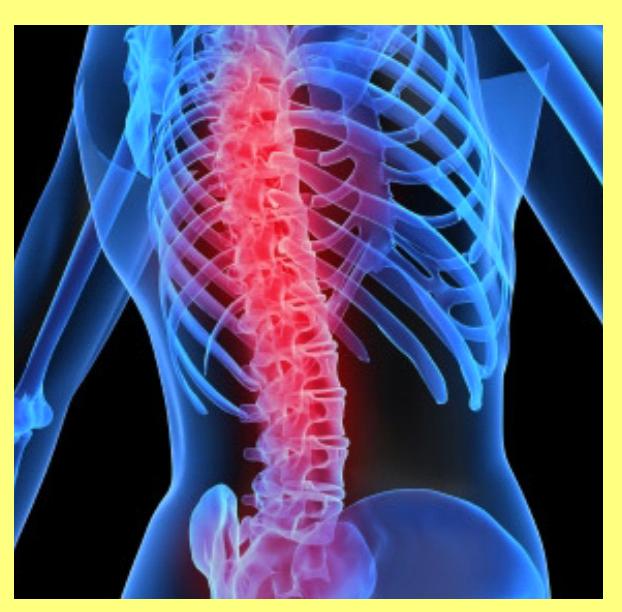 Of all the systems in the human body, undoubtedly the spinal column is one of the most complex. Within this complex structure is an intricate arrangement of vertebrae, discs, nerves, muscles, and ligaments. It’s that complexity that gives the spine its many functions. Of course, it’s also what makes the spine one of the most vulnerable structures in the body. And, even though spine conditions can occur to anyone at any time, especially due to injury, older folks are far more susceptible to degenerative spine conditions, which are medical conditions that develop over time. As we age, our bodies naturally have taken more of a toll as the years have worn on, making each and every one of us more susceptible to suffering conditions of the spine related to the years of stress and burden we’ve endured throughout life. Following is more information from spine specialists in Morristown and throughout the country regarding the most common of these degenerative spine conditions, including osteoarthritis, spinal stenosis, and degenerative disc disease.