
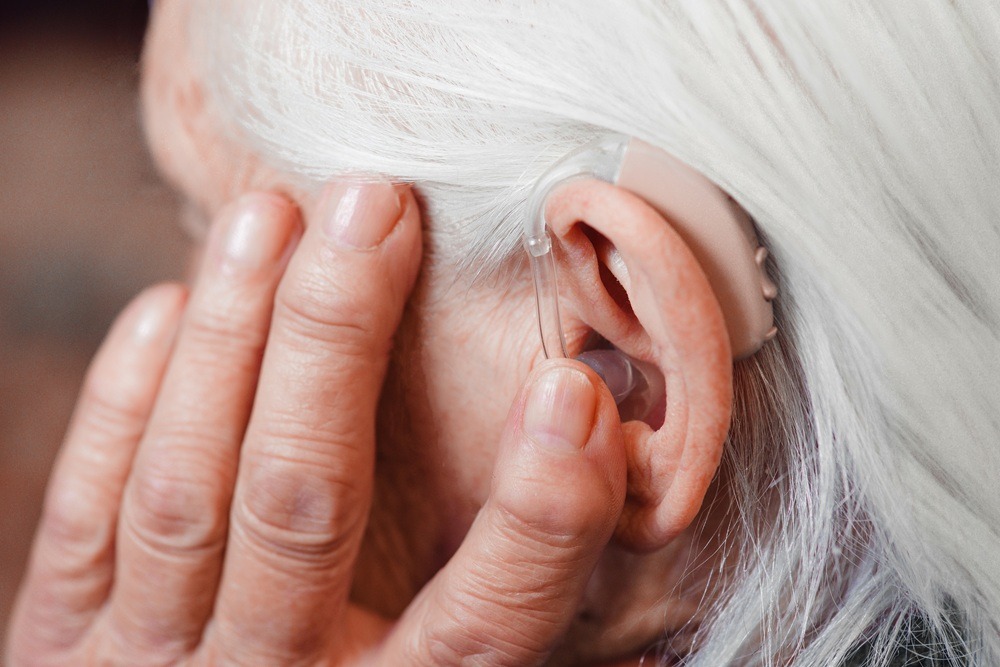
Senior hearing loss may first look like a phone ringing through breakfast, then ringing again after lunch, with no answer either time. Later, the person says the phone never rang. The television plays loud enough for someone on a different floor level to hear. One missed call can be nothing. People nap. They step outside. They leave the phone in another room. But when the process keeps repeating, is when attention is needed.
It’s easy to blame the wrong thing first. Distraction. Stubbornness. Memory. But those explanations do not stop the little moments from coming back. Before hearing devices enter the picture, the week needs plain notes. What made the sound? Where was the person sitting? Could someone else hear it from that room? If someone is already stopping by through in-home care, it’s easier to coordinate and keep track of these things.
Senior Hearing Loss Often Looks Like Something Else
Hearing loss rarely begins as one clear complaint. It often appears as a change in response time, a missed instruction, or a strange new habit. This is why senior hearing loss can get mistaken for memory trouble or refusal to cooperate. Someone can still hear voices in the room, so the family assumes hearing is not the issue.
The National Institute on Deafness and Other Communication Disorders reports that about one in three adults ages 65 to 74 has hearing loss. After age 75, nearly half of adults have difficulty hearing. Those numbers are not just a statistic. They explain why a household pattern deserves attention.
Senior hearing loss often shows up as extra effort before it shows up as silence. The person may still hear sound, but the brain has to work harder to sort speech from the rest of the room. That effort can make ordinary communication slower, less accurate, and more tiring.
This is why the early signs can look inconsistent. A person may do better face to face than by phone. They may follow a quiet conversation but struggle once background noise is added. The issue is not always whether sound reaches the ear. The issue is whether the sound is clear enough to use.
Over time, that strain can change behavior. Some older adults participate less, avoid longer calls, or give shorter answers because listening has become work. Those changes are easy to misread unless hearing is part of the explanation.
Why Missing Household Sounds Changes Things
A home relies on sound more than most people think. Timers, running water, smoke alarms, doorbells, and phone calls all ask for a response before anyone sees a problem. When those sounds do not reach the person who needs them, the safety of the home can be jeopardized. The CDC reports that more than one in four adults ages 65 and older falls each year. Hearing loss does not explain every fall, and families should not treat it that way. Still, missed sound can remove one cue from a situation where balance, timing, and attention already take more work.
There is a practical safety question to be asked in these times. Can the person hear the phone from the room where they spend the afternoon? Will they hear the doorbell with the bedroom door partly closed? If the smoke alarm goes off from the chair where they usually watch television, will they be able to hear it?
When Senior Hearing Loss Changes Communication
Hearing loss affects more than volume. It changes how much effort a person has to use during ordinary communication. A quick phone call may require guessing, repeating, and remembering instructions without facial cues. Johns Hopkins Medicine has also linked hearing loss with walking problems, falls, isolation, and dementia risk. That does not mean hearing loss is dementia. It means broken speech and missed sound can make daily life harder to follow.
This distinction is important during medical appointments. A vague note such as “she seems confused” gives a clinician less to work with than a note that explains in detail what caused this speculation. A clearer version might say that she missed two pharmacy calls and asked for the same medication direction twice.
What to Write Down Before the Appointment
The most helpful notes usually answer the same few questions. What sound was missed? Where was the person sitting? What else was happening in the room? Did the person have an easier time hearing face to face than by phone?
These notes also help separate hearing from other concerns. If confusion appears only after missed words, noisy rooms, or phone calls, hearing belongs in the discussion. If confusion continues in quiet face-to-face settings, the family has a different concern to bring to a clinician.
Where Home Care Fits Without Replacing Hearing Care
Home care does not diagnose hearing loss. It also does not replace a doctor, audiologist, or hearing device. Its role is different: it can help the family notice what happens during the hours when no one else is present.
A caregiver who spends many hours in the home may see whether a missed sound is a one-time problem, or part of a larger pattern. Support inside the home can also make communication less dependent on only difficult phone calls. If someone is struggling to communicate by phone, they may respond better when someone is close enough to face them. In these cases, companion care can support the social and practical parts of the day while hearing care remains just a medical issue.
Before You Send Everyone Shopping
Hearing devices can be part of the answer, but the first step should match the unique situation of your family. The FDA says over-the-counter hearing aids are intended for adults who believe they have mild to moderate hearing loss. They are not meant for every hearing concern. Sudden hearing loss, ear pain, drainage, dizziness, or hearing loss in one ear needs medical attention, not necessarily a device. A hearing aid can help in the right situation. However, it can also delay care if a problem needs medical evaluation first.
After the medical side is addressed, a home may need it’s own changes. Clearer placement for the phones. Written reminders sitting where they can be visualized easily. Doorbells, alarms, and timers may need to be tested from the rooms someone uses most. Having an in-home caregiver can help with this adjustment period, as they can be present when other families cannot be.
When Hearing Loss Overlaps With Other Changes at Home
Hearing is only one part of the home environment. Vision, balance, medication routines, and fatigue can all change how safe a person feels at home. Looking at one issue in isolation can leave gaps in the plan.
The same practical thinking applies when vision changes. A house that worked well five years ago may need better lighting, clearer pathways, or stronger routines now. The same idea appears in home care for visually impaired seniors, where the home has to match the person living in it today.
Senior hearing loss belongs in that same kind of review. The question is not only whether someone can hear in a quiet room. The better question is whether the home still sends important information in a way a person can use.
FAQ
Can senior hearing loss make someone seem confused?
Yes. Senior hearing loss can make a clear answer sound confused when the person only heard part of the question. A quiet room, face-to-face speech, and slower instructions can show whether the problem changes when communication improves.
Is senior hearing loss a home safety issue?
It can be a home safety issue when important sounds do not reach the rooms where the person spends time. The check should include phones, doorbells, timers, smoke alarms, and carbon monoxide alarms from the actual rooms used during the day.
Can home care replace hearing care?
No. Home care cannot replace medical hearing care. A doctor or audiologist should address the hearing problem itself, while home care can help record missed sounds, repeated instructions, and household routines that need adjustment.
Before the Next Missed Call
Before the next missed call, the family should stop treating each moment as a separate mistake. Senior hearing loss needs a pattern-based review. The useful question is not whether one sound was missed, but whether communication, safety cues, and daily routines are becoming harder to manage at home.
A clear record can help separate hearing concerns from memory, mood, or attention problems. This kind of information gives the next step more direction. It may point toward a hearing evaluation, a medical visit, changes inside the home, or better coordination with anyone already helping there. The goal is not to prove someone wrong about what they heard. It is to understand whether the home still supports the person living in it.
Sources
National Institute on Deafness and Other Communication Disorders, Age-Related Hearing Loss
Centers for Disease Control and Prevention, Facts About Falls
Johns Hopkins Medicine, The Hidden Risks of Hearing Loss
U.S. Food and Drug Administration, OTC Hearing Aids